
Views: 222 Author: Leah Publish Time: 2025-11-28 Origin: Site


Content Menu
● Why Automatic OTF Knives Need Special Care
● Essential Maintenance Tools and Supplies
● Safety First: Preparing to Maintain Your Automatic OTF Knife
● Step‑by‑Step Routine Cleaning
● Lubrication: How Much and Where for Automatic OTF Knives
● Blade Care: Sharpening and Corrosion Control
● Disassembly: When Experts Say “No” for Automatic OTF Knives
● Common Automatic OTF Knife Problems and Solutions
● Storage and Daily Carry Habits for Automatic OTF Knives
● Maintenance Frequency for Different Users
● Professional Service and Warranty Support
● FAQ
>> 1. How often should I maintain my Automatic OTF Knife?
>> 2. What lubricant is best for an Automatic OTF Knife?
>> 3. Can I take apart my Automatic OTF Knife for cleaning?
>> 4. Why does my Automatic OTF Knife misfire or deploy slowly?
>> 5. How should I store my Automatic OTF Knife when not in use?
Automatic OTF (Out‑The‑Front) knives are precision tools that rely on tight internal tolerances, fast spring mechanisms, and clean blade tracks to deliver reliable performance in demanding outdoor and tactical environments. With the right maintenance routine, your Automatic OTF Knife can stay fast, safe, and dependable for many years of hard use.[4][5][6][9]
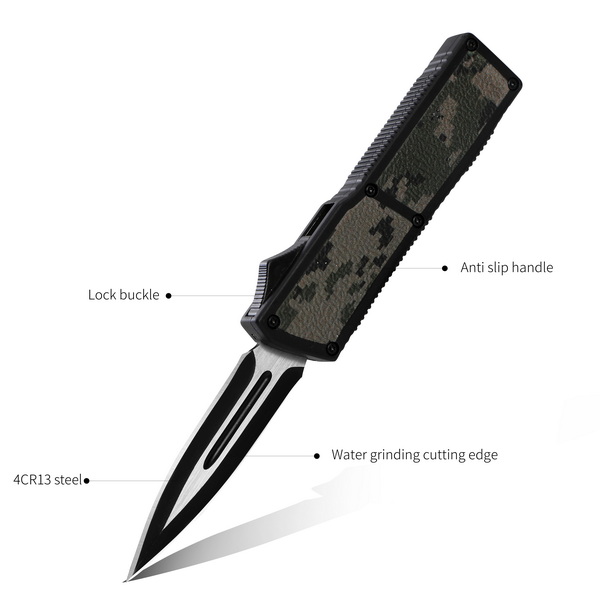
Unlike traditional folders that pivot on a simple hinge, an Automatic OTF Knife drives the blade straight out of the handle using a spring‑powered slider system. The blade rides inside internal rails or channels, and any buildup of dust, lint, or dried lubricant inside these tracks can quickly affect deployment.[5][9][4]
Because the blade remains fully enclosed when retracted, moisture and debris can stay trapped inside the chassis longer than on a regular folding knife. This is why industry experts emphasize regular light cleaning and controlled lubrication rather than waiting until the Automatic OTF Knife starts misfiring or slowing down.[8][4][5]
A professional‑level maintenance routine for an Automatic OTF Knife does not require a workshop full of equipment, only a compact and consistent kit. Commonly recommended items include:[4][5]
- Compressed air (canned or compressor with nozzle) for blowing out lint and grit from the handle and blade opening.[8][4]
- A light, high‑quality knife or gun oil that penetrates internal parts without turning sticky.[2][5][4]
- Lint‑free microfiber cloths for wiping the blade, handle, and excess lubricant.[5][8]
- Cotton swabs or small brushes for targeted cleaning around the blade opening and slider slot.[6][5]
- Appropriate precision drivers if the manufacturer explicitly permits disassembly of the Automatic OTF Knife.[1][7][6]
Experts warn against heavy greases, thick multi‑purpose oils, and harsh chemicals, which tend to trap more debris or damage coatings and handle materials. Using a lubricant that is marketed specifically for knives, firearms, or fine mechanisms is usually the safest choice for an Automatic OTF Knife.[11][2][4][5]
Before starting any maintenance, always treat an Automatic OTF Knife with the same respect as a loaded tool. Work on a stable, well‑lit surface, keep fingers away from the blade path, and avoid distractions that could lead to accidental deployment during cleaning.[7][9][5]
Many expert guides suggest “discharging” or placing the knife in a neutral state before deeper work: carefully fire the Automatic OTF Knife into a safe, soft target (such as folded paper or cardboard) at close range so the blade disengages from the drive mechanism. When properly discharged, the slider may move without ejecting the blade, reducing the risk of sudden deployment while you handle the Automatic OTF Knife.[1][7]
Routine cleaning is the foundation of Automatic OTF Knife maintenance because it keeps debris from building up in the first place. For most users, this cleaning can be performed without opening the handle, preserving the warranty and avoiding unnecessary internal wear.[4][5][8]
A typical expert‑approved routine looks like this:
1. Retract or discharge the blade safely
Keep the Automatic OTF Knife pointed away from your body and ensure the blade is retracted or safely discharged into a soft surface.[7][1]
2. Blow out debris with compressed air
Tilt the Automatic OTF Knife opening downward and direct short bursts of compressed air into the blade port, handle vents, and around the slider area to expel lint, dust, and grit.[8][4]
3. Wipe the exterior surfaces
Use a dry or lightly oiled microfiber cloth to remove fingerprints, sweat, and grime from the blade and handle, paying special attention to the opening, clip area, and slider track.[12][5]
4. Spot‑clean problem areas
For stubborn dirt around the firing button or blade slot, a cotton swab with a drop of suitable oil can help loosen residues, followed by a dry swab to remove loosened material.[11][5]
This quick routine for an Automatic OTF Knife is usually enough to restore normal performance after light everyday carry and occasional cutting tasks.[5][8]
Lubrication is one of the most important topics in Automatic OTF Knife care, and also one of the easiest areas to overdo. Unlike slow‑moving pivots on a folding knife, an Automatic OTF Knife requires rapid movement of a blade and slider through narrow internal channels, so thick lubricant can easily create drag.[9][2][4][5]
Industry experts generally recommend a light liquid oil rather than grease, applied sparingly at key locations on the Automatic OTF Knife:
- A tiny drop into the blade opening with the knife held upright so it runs along the internal tracks.[2][8]
- A minimal amount near the slider or firing button so the control moves smoothly without becoming slippery to the touch.[2][5]
- Optional micro‑film of oil on the blade flats to protect against corrosion, especially for high‑carbon steels.[12][5]
After applying lubricant, cycle the Automatic OTF Knife several times to distribute the oil, then wipe away all visible excess from the handle and blade. If the knife feels sluggish or attracts more dust afterward, that is a sign that too much oil was used and the Automatic OTF Knife needs another round of cleaning and a lighter touch on lubrication.[11][2][4][5]
Even with a perfect mechanism, an Automatic OTF Knife is only effective if the blade edge remains sharp and free from corrosion. Many professionals advise frequent light touch‑ups rather than waiting until the blade becomes extremely dull, because maintaining an existing edge profile removes less metal and preserves blade life.[6][4][5]
After cutting corrosive or dirty materials—such as food, wet cardboard, rope, or soil—users should immediately wipe the blade clean and dry before retracting it into the handle of the Automatic OTF Knife. For extended storage or harsh environments, a thin protective oil film on the blade helps resist rust and staining, especially in high‑humidity or coastal areas.[12][5][11]
Sharpening methods vary by preference: whetstones, guided systems, strops, or professional services all work as long as they respect the factory edge geometry of the Automatic OTF Knife. Whatever method is chosen, always secure the knife safely, maintain steady angles, and avoid overheating the edge during aggressive grinding.[6][4][5]
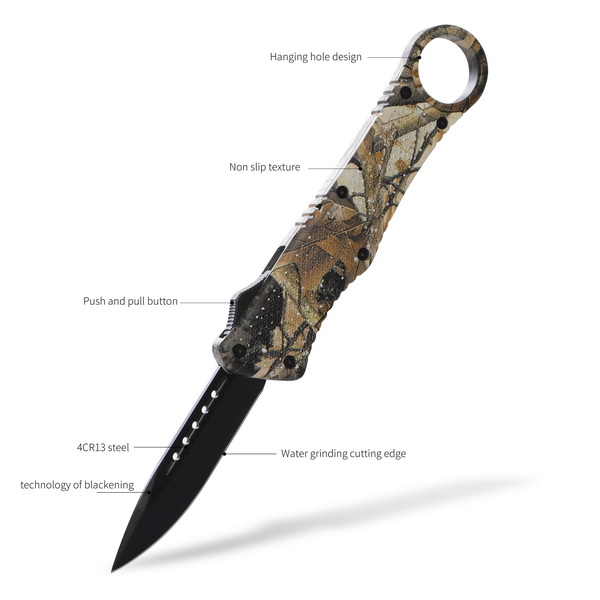
One of the most common questions owners ask is whether they should open their Automatic OTF Knife for deep cleaning. Many major brands clearly state that user disassembly can void warranties and that most maintenance needs can be met externally with air and oil only.[13][4][5]
Disassembly introduces several risks: tiny parts can be lost, springs can be reinstalled incorrectly, and screws can be stripped, all of which may compromise the Automatic OTF Knife mechanism. If the manufacturer explicitly provides instructions and the correct driver type, experienced users may carefully disassemble for advanced cleaning, but this is typically reserved for enthusiasts comfortable with precision mechanical work.[1][7][6]
For most owners, the recommended expert approach is simple: perform external maintenance yourself, and send the Automatic OTF Knife to the factory or an authorized service center if performance problems persist or a full teardown is required. This approach balances user convenience with long‑term reliability and safety.[7][5]
Even with good habits, every Automatic OTF Knife may occasionally show symptoms like partial deployment, slow action, or failure to lock fully. Understanding how to respond to these issues can prevent damage and restore performance quickly.[3][9]
Typical issues and remedies include:
- Misfires (blade stops short or fails to lock)
Often caused by debris or lack of lubrication in the internal tracks of the Automatic OTF Knife. The usual cure is to retract or discharge the blade safely, blow out the internals with compressed air, apply a small amount of oil, and then cycle the mechanism repeatedly while pointing the knife opening downward.[14][3][2]
- Sluggish deployment
Frequently linked to excess lubricant or thick, dirty oil that increases drag on moving parts of the Automatic OTF Knife. Cleaning out the old lubricant, using a thinner oil, and being conservative with new lubricant typically restores crisp action.[15][4][11][12]
- Blade play or looseness
Some front‑to‑back or side‑to‑side movement is normal for many double‑action Automatic OTF Knife designs, but excessive movement can indicate wear or internal issues. In such cases, professional inspection or factory service is recommended rather than aggressive home adjustments.[9][5][7]
When simple cleaning and lubrication fail to resolve problems, the safest path is to stop using the Automatic OTF Knife and seek expert service instead of forcing the mechanism.[5][7]
Storage and carry habits have a major impact on how often an Automatic OTF Knife needs maintenance. Storing the knife in a clean, dry case or pouch, ideally with some moisture‑control material, helps prevent rust and reduces the amount of airborne dust that can enter the handle.[16][11]
During daily carry, an Automatic OTF Knife should not share a pocket with loose coins, keys, sand, or gravel, all of which can be forced into the blade port and slider cutouts. After exposure to rain, sweat, or saltwater, owners should dry and lightly oil the Automatic OTF Knife as soon as possible instead of leaving it damp in a pocket or bag.[14][9][11][5]
These simple habits significantly reduce internal contamination and corrosion risk, meaning the Automatic OTF Knife will require less aggressive cleaning and enjoy a longer, more reliable service life.[16][11]
How often an Automatic OTF Knife needs attention depends on usage style, environment, and carrying routine. A light‑duty office EDC used mostly for opening packages may stay smooth with only periodic air cleaning and lubrication every few weeks.[14][8][11]
By contrast, an Automatic OTF Knife used daily in construction, law enforcement, outdoor guiding, or dusty industrial settings may need weekly or even after‑shift maintenance. Many professionals adopt a schedule that combines:[6][7]
- Quick wipe‑down and inspection after each day of carry.
- Full air cleaning and relube after any exposure to dirt, moisture, or extreme conditions.
- Annual or semi‑annual factory inspection and sharpening for mission‑critical Automatic OTF Knives.[16][7][12]
Matching maintenance frequency to real‑world use keeps the Automatic OTF Knife ready for work without wasting time on unnecessary procedures.[11][14]
Premium Automatic OTF Knife makers often provide sharpening, cleaning, or refurbishment services, sometimes at low or no cost, as part of their warranty or customer care programs. These services are especially valuable when the knife suffers heavy use, visible damage, or internal contamination that basic home cleaning cannot address.[13][9][7][5]
Sending an Automatic OTF Knife to the manufacturer ensures that any disassembly is performed with correct tools and model‑specific knowledge, preserving both performance and safety. For users who depend on their Automatic OTF Knife in professional or defensive roles, scheduled factory service is a smart long‑term strategy rather than an emergency measure.[13][7][16]
Automatic OTF Knife maintenance is less about complex gunsmithing and more about consistent, careful habits focused on cleanliness, light lubrication, and safety. By understanding how the internal tracks, springs, and slider work together, owners can make better decisions about when to clean, how much oil to use, and when to seek professional help instead of forcing a malfunctioning mechanism.[9][4][5]
With a simple kit—compressed air, proper oil, microfiber cloths—and a regular routine, any user can keep an Automatic OTF Knife deploying quickly and locking securely through years of demanding outdoor, tactical, or everyday carry use. Combined with intelligent storage, appropriate sharpening practices, and respect for manufacturer guidelines on disassembly, these expert tips turn your Automatic OTF Knife into a long‑term, reliable partner instead of a disposable gadget.[2][7][8][14][5][11]
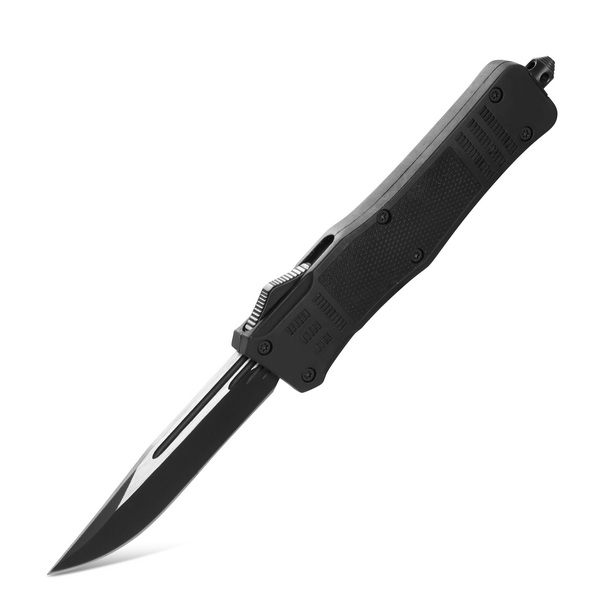
Light everyday carry in clean environments usually requires a quick wipe and visual check after use, with more thorough air cleaning and lubrication every few weeks. Heavy use in dusty, wet, or sandy conditions calls for cleaning and relube immediately after exposure to keep the Automatic OTF Knife from slowing down or misfiring.[8][14][11]
Experts generally recommend a thin, high‑quality knife or gun oil that flows easily and resists gumming up under rapid movement. Thick greases and generic household oils should be avoided because they attract particles and can make an Automatic OTF Knife feel sluggish or gritty.[4][2][11]
Many manufacturers warn that opening the handle of an Automatic OTF Knife may void warranties and risk permanent damage if done incorrectly. Unless your brand clearly allows user disassembly and provides instructions, it is safer to stick to external cleaning and rely on factory or professional service for deep internal work.[7][13][4][5]
Most misfires and slow deployment issues come from debris, dried lubricant, or excess oil inside the tracks and mechanism of the Automatic OTF Knife. A focused routine of compressed‑air cleaning, light oil application, and repeated cycling with the opening pointed downward usually restores smooth action; persistent problems should be evaluated by a technician.[3][9][2]
For storage, keep the Automatic OTF Knife in a clean, dry case or pouch away from humidity, salt, and direct sunlight, and avoid cramped places packed with gritty objects. Before long‑term storage, always clean and dry the knife thoroughly, apply a thin film of oil to the blade, and ensure the mechanism cycles correctly to minimize the risk of corrosion or sticking when it is needed again.[16][5][11]
[1](https://ravencresttactical.com/otf-knife-care-maintenance-taking-apart-cleaning-otf-knife/)
[2](https://www.tektoknives.com/blogs/news/tekto-how-to-clean-an-automatic-otf-knife)
[3](https://uppercuttactical.com/blogs/news/otf-knife-maintenance-clean-lube-fix-misfires)
[4](https://www.bladehq.com/blog/basic-otf-care-maintenance)
[5](https://knifepivotlube.com/blogs/knife-pivot-lube/how-to-clean-an-automatic-knife)
[6](https://tacknivesusa.com/how-to-maintain-your-otf-knife-guide/)
[7](https://microtechknives.com/blogs/news/microtech-otf-maintenance-cleaning-and-caring-tips-for-your-edc)
[8](https://www.normandyknives.com/pages/otf-care-and-maintenance-king-1)
[9](https://ocasoknives.com/pages/otf-knife-care)
[10](https://www.youtube.com/shorts/b3tL5c46gx4)
[11](https://swordsswords.com/blog/otf-knife-maintenance-oiling-and-lubrication/)
[12](https://bladeops.com/blog/otf-knife-care-101-maximize-the-life-of-your-knife/)
[13](https://support.benchmade.com/hc/en-us/articles/15081262296091-Use-and-Care)
[14](https://tacknivesusa.com/11-otf-knife-maintenance-tips/)
[15](https://www.vipertecknives.com/blogs/all-tactical/how-to-maintain-your-automatic-knife-for-longevity)
[16](https://dailycarryco.com/blogs/everydaycarry/understanding-and-maintaining-your-gravity-otf-knife)


