
Views: 222 Author: Leah Publish Time: 2025-12-01 Origin: Site


Content Menu
● What Makes an Automatic OTF Knife Different
● Safety First: Handling and Maintenance Precautions
● Understanding the Key Components
● Why Regular Maintenance Is Critical
● Recommended Tools and Maintenance Products
● Step 1: External Cleaning of the Knife
● Step 2: Clearing Internal Debris Without Disassembly
● Step 3: Smart Lubrication for Smooth Operation
● Step 4: Caring for the Firing Button or Slider
● Step 5: Troubleshooting Misfires and Weak Deployment
● Step 6: Establishing a Maintenance Schedule
● Corrosion Prevention and Environmental Protection
● Sharpening Guidelines for an Automatic OTF Knife
● Storage and Transport Best Practices
● OEM and Branding Considerations
● User Education and Content Strategy
● FAQ
>> 1. How often should I maintain my Automatic OTF Knife?
>> 2. What type of lubricant is best for an Automatic OTF Knife?
>> 3. Can I disassemble my Automatic OTF Knife for deep cleaning?
>> 4. What should I do if my Automatic OTF Knife misfires or does not lock open?
>> 5. How can I prevent rust on my Automatic OTF Knife?
Maintaining peak performance of your Automatic OTF Knife is essential for fast, reliable deployment and long service life. Regular care keeps the mechanism smooth, reduces the chance of misfires, and protects your investment or product line. A well-maintained Automatic OTF Knife also enhances user confidence, which is especially important for brands and OEM partners that serve demanding outdoor and tactical markets.
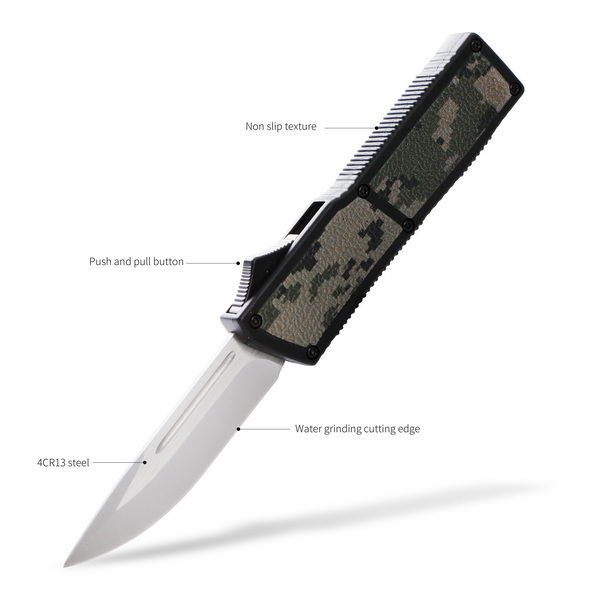
An Automatic OTF Knife (out-the-front knife) launches the blade straight out of the front of the handle using a spring-driven internal mechanism. This design is different from side‑folding knives and requires more precise internal alignment and tolerances. Because the blade rides on internal tracks and interacts with springs, sliders, and lock components, an Automatic OTF Knife is more sensitive to dirt, lint, and poor lubrication than many traditional folders.
When the interior of an Automatic OTF Knife becomes contaminated with dust or old oil, the blade can slow down, fail to lock fully, or misfire. Users may interpret this as poor quality, even when the underlying issue is simple maintenance. For brands and OEM suppliers, educating customers about the special characteristics of an Automatic OTF Knife is a key part of delivering a premium experience.
Before any maintenance, always ensure your Automatic OTF Knife is pointed in a safe direction and that no part of your body is near the blade opening. The deployment speed of an Automatic OTF Knife means that mishandling can cause serious injury in a fraction of a second. Always work in a well-lit area with a stable surface and never attempt maintenance if you are tired, distracted, or impaired.
Many manufacturers explicitly warn that disassembling an Automatic OTF Knife can void the warranty and damage delicate parts. Unless you are an experienced technician following brand-specific instructions, avoid taking the knife apart. Non‑disassembly cleaning methods are usually enough to keep an Automatic OTF Knife at peak performance for everyday and professional use.
To maintain an Automatic OTF Knife effectively, it helps to know the main components that influence performance. The blade runs along internal rails or channels that guide its movement during deployment and retraction. These tracks must remain as clean and debris‑free as possible for a consistent, high‑speed action.
The firing mechanism of an Automatic OTF Knife typically consists of a spring system, a firing button or slider, and a locking interface that holds the blade in the open and closed positions. Any buildup around these parts can translate directly into sluggish movement or incomplete lockup. A clear mental picture of these components makes each maintenance step more logical and precise.
Routine maintenance keeps the blade deployment of an Automatic OTF Knife crisp and predictable. Over time, pocket lint, dust, fine sand, and dried lubricant will accumulate inside the handle, especially if the knife is carried daily. Without cleaning, this buildup increases friction, slows the blade, and can eventually cause misfires or partial extensions.
Proper care does more than keep the Automatic OTF Knife feeling smooth; it also reduces wear on the springs, tracks, and locking parts. Less friction means less stress on the mechanism with every cycle, which is especially important for users who deploy their Automatic OTF Knife dozens or hundreds of times per week. For OEM brands, better maintenance means fewer warranty claims, fewer returns, and stronger reputations.
You do not need an extensive toolkit to maintain an Automatic OTF Knife. A small, dedicated kit with the right products is far better than random household items that may damage the knife or leave sticky residues. The goal is to clean efficiently and lubricate lightly, without over‑oiling.
Useful tools and products for Automatic OTF Knife maintenance include:
- A light, non‑gumming knife or gun oil suitable for precision mechanisms.
- Compressed air in a can to blow out dust and lint from the handle.
- Soft microfiber cloths or clean rags for wiping blade and handle surfaces.
- Cotton swabs for targeted cleaning around the slider, button, and openings.
- Optional: mild blade cleaner, rust eraser, or non‑abrasive polish for tougher grime or light corrosion.
Begin maintenance with the blade retracted to protect both your fingers and the cutting edge. Use a dry microfiber cloth to wipe down the handle of the Automatic OTF Knife, including the spine, edges, and pocket clip. This removes sweat, dirt, and fingerprints that can slowly affect the finish or cause corrosion around small hardware.
Next, deploy the blade safely and inspect it for adhesive residue, tape, or staining from cutting tasks. Wipe the blade from spine to edge, moving away from yourself, and avoid touching the edge directly. If needed, apply a small amount of cleaner to the cloth (not directly to the knife), gently remove the residue, then dry the blade completely. A very thin film of protective oil can then be applied before retracting the blade into the Automatic OTF Knife.
The inside of an Automatic OTF Knife naturally collects pocket lint, dust, small fibers, and fine grit. A simple but effective way to remove this material is to hold the knife upside down, with the blade opening facing the floor, so loosened debris falls out instead of deeper into the mechanism. This positioning is especially important for an Automatic OTF Knife because of the straight-through blade channel.
With the knife in this position, use short bursts of compressed air into the blade opening and around the slider or button. Cycle the blade in and out several times between bursts to help dislodge particles from the tracks and internal components. Repeating this process regularly prevents heavy buildup and keeps your Automatic OTF Knife running smoothly without the risk of disassembly.
Lubrication is the heart of maintaining peak performance in an Automatic OTF Knife, but more oil is not always better. Excess oil can trap dust and grit inside the handle, turning the lubricant into a sticky paste that slows the mechanism. A thin, high-quality oil applied precisely is the best approach.
To lubricate, keep the blade retracted and place a very small drop of oil at the front opening of the Automatic OTF Knife. Tilt the knife slightly so the oil can migrate along the internal tracks, then deploy and retract the blade multiple times to spread it evenly. After cycling the action, wipe away any oil that seeps out of the opening or around the slider to prevent future debris accumulation.
The firing button or slider is the part you feel every time you use an Automatic OTF Knife, so even minor roughness or sticking is noticeable. Dirt and dried oil often collect along the slider's path, especially if the knife is carried in a pocket with dust, fabric fibers, or sand. Addressing this area often restores a like‑new feel.
Use a cotton swab lightly moistened with oil or cleaner to wipe around the slider slot and nearby surfaces. Avoid soaking this area; the goal is to break up grime, not flood the mechanism. After cleaning, add only the smallest hint of lubricant to the slider's contact surfaces, then cycle the Automatic OTF Knife repeatedly to test the feel. A smooth, positive click and firm lockup indicate correct slider maintenance.
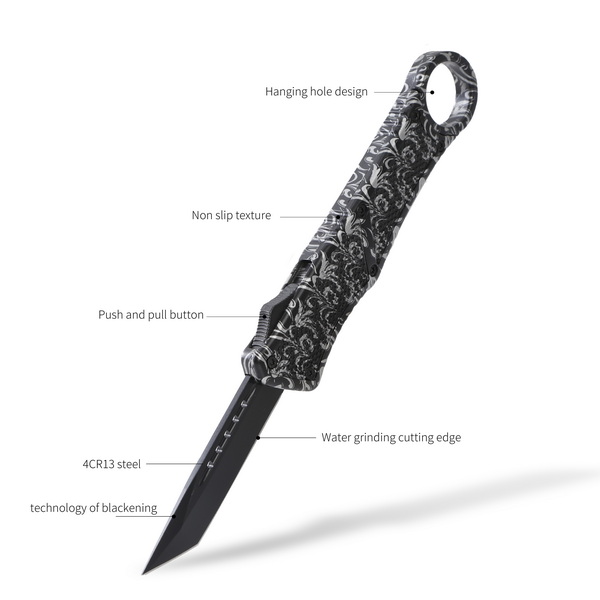
Even a well-built Automatic OTF Knife may occasionally misfire or fail to lock fully if dirt or obstruction interferes with the blade's path. Some designs also intentionally disengage the spring if the blade hits resistance during deployment, allowing it to slide freely until reset. This is a safety feature to prevent damage or injury.
If your Automatic OTF Knife seems to "free slide" or fails to lock out, first ensure the blade is clear of obstacles. Then, in a safe direction, deploy the blade against a soft, non‑valuable object at very close range—such as thick cardboard or a dense pad—so the blade can fully extend and reengage. Follow with a thorough external cleaning, internal air blast, and light lubrication. If misfires continue after this process, professional service from the manufacturer or OEM partner is recommended.
The ideal maintenance frequency for an Automatic OTF Knife depends on how and where it is used. A knife that lives in a clean office environment and cuts packaging occasionally will need less attention than one carried daily in dusty outdoor conditions. Rather than waiting for problems, create a simple schedule and adjust based on experience.
For light everyday use, inspecting, wiping, and lightly lubricating the Automatic OTF Knife every three to four weeks is often sufficient. For heavy use—such as outdoor work, tactical training, or frequent cutting in dirty environments—weekly maintenance or cleaning after each demanding session is more appropriate. Knives stored for long periods should be checked every few months for signs of corrosion or dried lubricant and refreshed as needed.
Even stainless steels can corrode when exposed to moisture, sweat, or salt over time. When an Automatic OTF Knife is carried near the body or used in rain, the risk of rust increases, especially at edges, corners, and small hardware. Taking simple precautions will significantly extend the knife's appearance and structural integrity.
After exposure to water, salt spray, or heavy sweat, dry the blade and external surfaces thoroughly as soon as possible. If safe to do so, gently rinse the blade with clean fresh water, keeping liquid away from the handle interior, then dry and apply a thin protective oil. Avoid storing an Automatic OTF Knife in damp leather sheaths or sealed containers where humidity can accumulate and attack the steel and internal parts.
A sharp Automatic OTF Knife cuts more efficiently and safely because it requires less force and is easier to control. However, sharpening must be done with care, as the blade is part of a precise mechanism. Always fully deploy and lock the blade, then work on a stable surface, keeping your hands away from the firing button during sharpening.
Use a sharpening method that matches your skill level, such as whetstones, guided systems, or professional sharpening services. Try to maintain the original edge angle of the Automatic OTF Knife to preserve cutting performance and avoid removing unnecessary steel. After sharpening, remove any burrs, clean the blade thoroughly, apply a light coat of oil, and test deployment and retraction to ensure the mechanism still operates flawlessly.
Proper storage protects both the internal mechanism and the external finish of an Automatic OTF Knife. Whenever the knife is not in use, store it with the blade retracted in a dry, ventilated environment away from aggressive chemicals or extreme temperature changes. Avoid tossing the knife loosely into bags or boxes where impacts can damage the mechanism.
For long-term storage or bulk shipments, use padded or form‑fitted packaging that keeps the Automatic OTF Knife secure and minimizes the chance of accidental deployment. If you are shipping knives to customers or distributors, include clear safety notices and a brief maintenance guide so that every new owner knows how to care for the Automatic OTF Knife from day one.
For overseas brands, wholesalers, and manufacturers, working with a professional factory in a knife-focused region such as Yangjiang, China, offers a strong foundation for building a reliable Automatic OTF Knife product line. High‑precision manufacturing, combined with rigorous quality control, ensures that each Automatic OTF Knife leaves the factory with consistent fit and finish.
However, modern customers expect more than just a good product; they also value guidance and support. Providing multilingual instructions, online guides, and short video tutorials on how to maintain an Automatic OTF Knife adds real value. This approach reduces confusion, lowers after‑sales service costs, and helps your brand stand out in a competitive market.
Educational content is one of the most effective tools for strengthening the relationship between a brand and its Automatic OTF Knife users. Clear explanations, step‑by‑step instructions, and demonstrations build trust and help customers feel confident in operating and maintaining their knives.
Consider creating a content library that covers topics like basic cleaning, advanced troubleshooting, sharpening tips, and safe storage practices for Automatic OTF Knife models. This library can support sales teams, distributors, and end users, and it can be repurposed across blogs, product pages, social media, and printed manuals. Always respect intellectual property rights when creating or sourcing materials, and prioritize original text, original photos, and original video.
Even experienced users make maintenance mistakes that reduce the performance and lifespan of an Automatic OTF Knife. One common issue is over‑lubrication, which attracts dust and turns the interior into a sticky environment. Another is using thick greases or general-purpose household oils that gum up over time.
Additional mistakes include using an Automatic OTF Knife as a pry bar, screwdriver, or hammer—activities that strain the blade, pivot, and internal components. Ignoring early signs of sluggish deployment or gritty feel can also lead to accelerated wear. By avoiding these errors and following a simple routine, you can keep any Automatic OTF Knife working reliably for years.
Peak performance of an Automatic OTF Knife depends on regular, thoughtful care: gentle external cleaning, periodic debris removal from the interior, smart lubrication, and timely sharpening. When users treat their Automatic OTF Knife as a precision tool instead of a disposable gadget, the mechanism stays fast, confident, and safe through thousands of cycles. For brands and OEM partners, combining high-quality manufacturing with clear maintenance education turns every Automatic OTF Knife into a long-term, trusted companion in everyday, outdoor, and tactical environments.
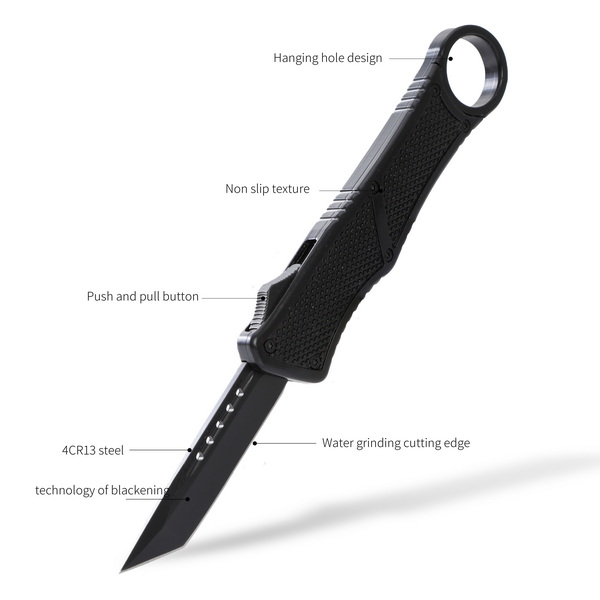
For light everyday carry, inspecting and cleaning your Automatic OTF Knife every three to four weeks is usually enough. In harsher environments or under heavy use, consider a quick clean and lubrication every week or after demanding tasks to keep deployment smooth and reliable.
A thin, non‑gumming knife or gun oil designed for precision mechanisms is ideal. Avoid thick greases and general household oils, which can attract dust, gum up the interior, and slow the blade of your Automatic OTF Knife. A very small amount used sparingly is far better than over‑oiling.
Many manufacturers discourage disassembly because it can damage springs, tracks, or screws and may void the warranty. Unless you have clear instructions and proper tools, rely on non‑disassembly methods such as compressed air, careful external cleaning, and light lubrication. If deep service is needed, sending the Automatic OTF Knife back to the maker is usually safest.
First, ensure there is no obstruction in front of the blade. Then try resetting the mechanism by deploying the Automatic OTF Knife safely into a soft, non‑valuable target at very close range so the blade can fully extend and reengage. Follow with cleaning and light lubrication; if misfires continue, contact the manufacturer or OEM supplier for professional inspection.
Preventing rust starts with keeping your Automatic OTF Knife dry and clean. After exposure to moisture, sweat, or salt, dry the knife thoroughly and apply a thin protective coat of oil to the blade and key metal surfaces. Avoid long-term storage in damp sheaths or environments with high humidity, and inspect stored knives periodically for early signs of corrosion.
[1](https://ravencresttactical.com/otf-knife-care-maintenance-taking-apart-cleaning-otf-knife/)
[2](https://www.bladehq.com/blog/basic-otf-care-maintenance)
[3](https://www.tektoknives.com/blogs/news/tekto-how-to-clean-an-automatic-otf-knife)
[4](https://www.normandyknives.com/pages/otf-care-and-maintenance-king-1)
[5](https://bladeops.com/blog/otf-knife-care-101-maximize-the-life-of-your-knife/)
[6](https://knifepivotlube.com/blogs/knife-pivot-lube/how-to-clean-an-automatic-knife)
[7](https://tacknivesusa.com/how-to-maintain-your-otf-knife-guide/)
[8](https://microtechknives.com/blogs/news/microtech-otf-maintenance-cleaning-and-caring-tips-for-your-edc)
[9](https://ocasoknives.com/pages/otf-knife-care)
[10](https://www.youtube.com/shorts/b3tL5c46gx4)


