
Views: 222 Author: Leah Publish Time: 2025-10-13 Origin: Site


Content Menu
● Understanding Your Heavy-Duty OTF Knife
>> Lubrication
● Advanced Maintenance Procedures
● Common Issues and Troubleshooting
● Why Choose a Heavy-Duty OTF Knife?
● OEM Services from Yangjiang Ruizhen Industry and Trade Co., Ltd.
● Frequently Asked Questions (FAQ)
>> 1. How often should I clean my Heavy-Duty OTF Knife?
>> 2. What lubricant is best for an OTF knife?
>> 3. Can I use water to clean my OTF knife?
>> 4. Is it safe to disassemble my Heavy-Duty OTF Knife?
>> 5. How do I sharpen my Heavy-Duty OTF Knife blade?
Maintaining a heavy-duty OTF knife (Out-The-Front Knife) ensures that this precise and formidable tool remains dependable and efficient through years of use. These knives, designed with a blade that slides out from the handle through an opening at the front, demand a particular set of care and upkeep techniques to keep their complex mechanisms functioning smoothly. Whether used in tactical, outdoor, or everyday applications, regular maintenance is critical to preserve the knife's action, blade sharpness, and overall durability.
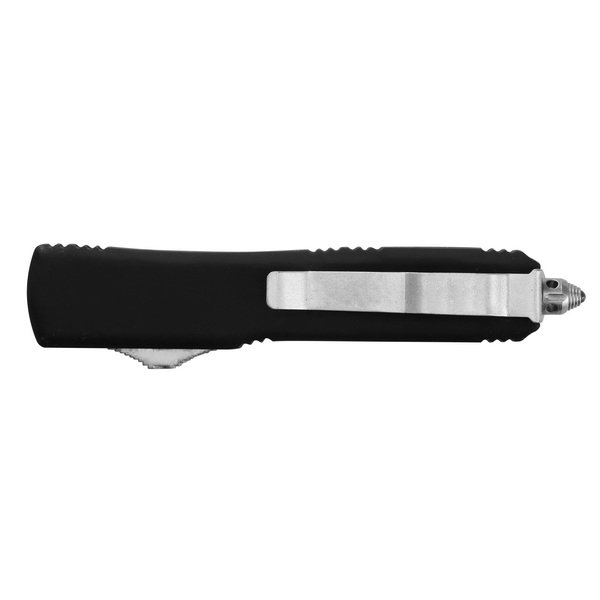
A Heavy-Duty OTF Knife typically features a robust blade crafted from high-quality steel, designed for strength and endurance. The unique mechanism allows for rapid deployment of the blade through a slider or button, making it an ideal choice for quick access cutting tools. However, the internal sliding and locking components are susceptible to dirt, dust, and debris, which can impede performance or damage the mechanism if not properly cared for.
Cleaning your Heavy-Duty OTF Knife regularly is fundamental. Dirt and grime can accumulate inside the internal track where the blade slides, causing stiffness or even jamming.
- After each use, wipe down the blade and exposed parts with a soft cloth to remove fingerprints, dirt, and moisture.
- For deeper cleaning, carefully use compressed air or a soft brush to dislodge debris inside the knife's housing. Avoid using water or cleaning agents inside the mechanism as these can lead to corrosion.
- Disassemble your knife only if you are familiar with the mechanism or follow manufacturer instructions meticulously to avoid damaging the complex internal parts.
Proper lubrication is key to maintaining smooth action. Without sufficient lubrication, the sliding mechanism of the blade can become stiff or worn.
- Use a lightweight, high-quality lubricant designed for knives or fine mechanical devices. Avoid heavy oils that can attract dust.
- Apply a small amount of lubricant to the blade's sliding channel and the pivot points. Then cycle the blade multiple times to evenly distribute the lubricant.
- Regular lubrication intervals depend on the frequency of knife use; heavy users may need to lubricate monthly, while occasional users can extend this to every few months.
The blade's edge is crucial to your knife's performance, especially for heavy-duty use.
- Always keep the blade sharp using a suitable sharpening stone or system designed for the blade steel type.
- Avoid cutting hard materials like metal or stone to prolong edge life.
- Store the blade dry and clean to minimize corrosion. Wipe the blade with a lightly oiled cloth before storing for long periods.
Storage practices can significantly affect your knife's lifespan.
- Store your Heavy-Duty OTF Knife in a cool, dry place away from humidity.
- Avoid leaving the knife in a fully open or closed position for an extended period to reduce tension on the spring mechanism.
- Use a protective sheath or case if available to prevent scratches and accidental damage.
For enthusiasts and professionals willing to delve deeper into OTF knife care, occasional full disassembly and cleaning can restore performance and extend service life.
- Only perform full disassembly if you have the right tools and experience.
- Carefully clean each component, paying special attention to springs, locking detents, and the blade track.
- Replace worn or damaged springs and parts with OEM replacements to maintain manufacturer standards.
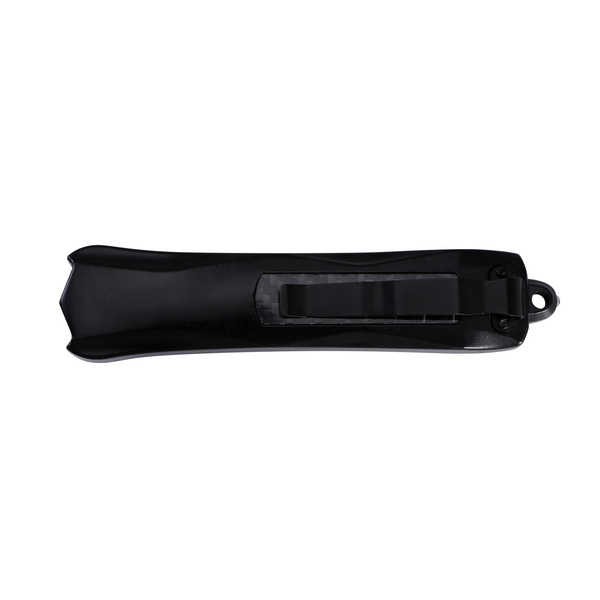
If the blade becomes difficult to deploy, it is usually due to dirt buildup or lack of lubrication. Clean and lubricate the sliding channel thoroughly.
Jamming may result from bent or broken internal springs or debris inside the mechanism. Visual inspection during cleaning can identify these issues.
Locking issues often stem from worn or damaged locking detents; replacement or professional servicing may be necessary.
Heavy-Duty OTF Knives combine speed and power, ideal for emergency responders, outdoorsmen, and tactical users. Their sleek design and fold-away blade protect users between uses, while the rugged mechanism supports demanding tasks.
As a leading Chinese factory specializing in the manufacture of cutting-edge outdoor knives, Yangjiang Ruizhen Industry and Trade Co., Ltd. provides OEM services tailored to international brand owners, wholesalers, and manufacturers. The company commits to high-quality materials and craftsmanship, ensuring that every Heavy-Duty OTF Knife achieves superior performance and durability standards.
Maintaining a Heavy-Duty OTF Knife is about more than just keeping the blade sharp; it involves comprehensive care of its intricate mechanism through regular cleaning, lubrication, and proper storage. By following these tips and guidelines, users can maximize the long-term performance and reliability of their knives. Whether using it for daily tasks or specialized operations, a well-maintained OTF knife will provide excellent service and years of dependable use.
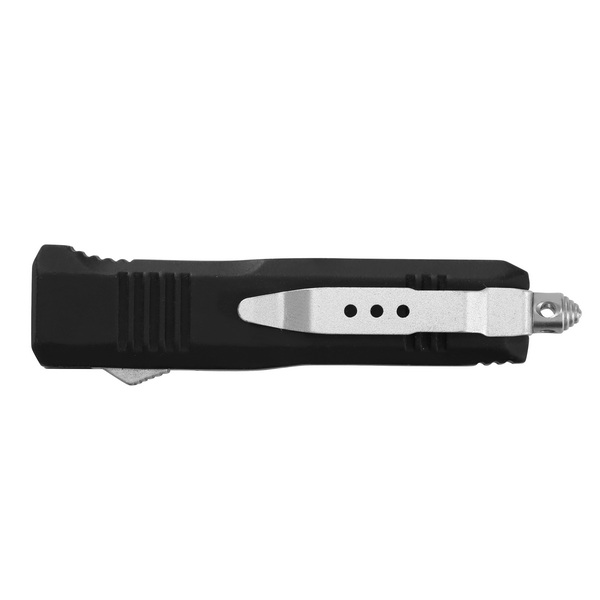
It's best to clean your OTF knife after each use to remove dirt and debris and prevent buildup inside the mechanism. For general maintenance, deep cleaning every few months is recommended, especially if used frequently.
Use a light, high-quality lubricant specifically designed for knives or precision mechanisms. Avoid heavy oils that attract dirt and dust, which can cause the mechanism to jam.
It is generally not recommended to use water inside the OTF knife's internal mechanism as it may lead to rust or corrosion. Use dry methods like compressed air and a soft brush for internal cleaning.
Disassembly is safe only if you have experience or follow detailed manufacturer instructions. The internal parts are delicate and complex, so improper handling can cause damage.
Sharpen the blade using a sharpening stone, whetstone, or professional sharpening system tailored for the blade's steel type. Maintain the original angle to preserve the blade's cutting performance and longevity.


