
Views: 222 Author: Leah Publish Time: 2025-11-07 Origin: Site


Content Menu
● Understanding Tactical OTF Knives
● Gathering Your Tactical OTF Knife Cleaning Supplies
● Safety First: Discharging and Preparing Your Knife
● Deep Cleaning: Disassembling Your Tactical OTF Knife
>> Cleaning Internal Components
>> Lubricating Your Tactical OTF Knife
● Routine Maintenance Tasks for Tactical OTF Knives
● Sharpening Your Tactical OTF Knife
● Storing Your Tactical OTF Knife
● Troubleshooting Common Tactical OTF Knife Issues
● Professional Service and Warranty Considerations
● Using Your Tactical OTF Knife Responsibly
● FAQ
>> 1. How often should I thoroughly clean my Tactical OTF Knife?
>> 2. Which lubricant works best for Tactical OTF Knives?
>> 3. Is disassembly safe for all Tactical OTF Knives?
>> 4. What's the best way to sharpen a Tactical OTF Knife?
>> 5. How do I fix a misfiring or off-track blade?
Tactical OTF Knives (Out-the-Front Knives) are among the most advanced blade tools utilized by professionals, collectors, and outdoor enthusiasts globally. Their direct blade ejection and reliable build make them indispensable for demanding scenarios such as rescue operations, self-defense, and wilderness survival. However, the sophisticated firing mechanism and internal components of Tactical OTF Knives mean these tools require meticulous care to ensure safety, reliability, and longevity. This guide wastes no time and leads you step-by-step through cleaning, lubricating, and maintaining your Tactical OTF Knife, offering expert strategies plus troubleshooting advice for common problems—all while emphasizing best practices for optimal performance.[3][5][6][7]
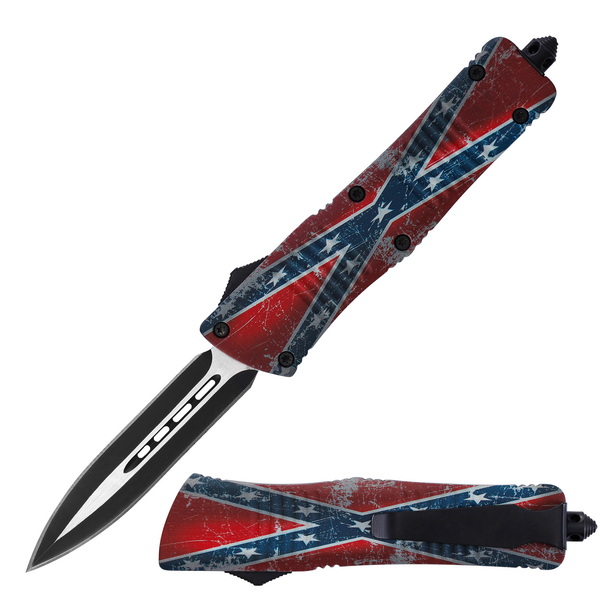
Before diving into cleaning and maintenance, it's crucial to understand the anatomy and working principles of Tactical OTF Knives.
- Blade: The sharp, deployable cutting edge; usually made from high-grade stainless or carbon steel.
- Handle: Houses the blade, firing mechanism, and safety switches.
- Mechanism: A spring system that ejects and retracts the blade, activated by a button or switch.
- Rail System: Guides the blade smoothly and securely in and out of the handle.[5][7]
Knowledge of these components not only aids maintenance but also prevents inadvertent damage during cleaning and reassembly.
Routine maintenance is the key to keeping your Tactical OTF Knife in reliable, safe condition.
- Performance: Clean, well-lubricated knives deploy quickly and smoothly.
- Safety: Free from dirt and debris, the blade consistently locks and retracts without “misfires.”
- Longevity: Effective maintenance minimizes corrosion, wear, and mechanical failures.[6][3][5]
Neglecting even minor maintenance can lead to sluggish deployment, incomplete blade retraction, or outright mechanism failure—a risk no user should take.
Set yourself up for successful maintenance with the right tools:
- Microfiber cloths
- Cotton swabs or small brushes
- Compressed air can
- High-quality lubricating oil (specialty knife lubricants or gun oil)
- 99% isopropyl rubbing alcohol
- Precision screwdriver (commonly T6 or T8 Torx bit)
- Cleaning mat or tray
- Nitrile gloves (optional for safe handling)
Having these items on hand before you start streamlines the cleaning process and protects both your knife and your workspace.[7][5][6]
Before any cleaning or disassembly, always make sure your Tactical OTF Knife is discharged safely.
- Eject the blade carefully into a safe material like cardboard.
- Never discharge the blade toward people, pets, or valuable items.
- Confirm the mechanism is not under tension before opening the knife or removing screws.[3][5]
This step prevents accidental injury and unintentional damage to parts during cleaning.
Begin by removing debris, fingerprints, and residue from the knife's exterior.
- Wipe the blade and handle thoroughly with a microfiber cloth.
- For sticky residue (e.g., from tape), use a cotton swab soaked in rubbing alcohol directly on problem areas.
- Make sure the rails and track opening are free of visible debris.
Quick, regular cleaning after each use helps prevent the accumulation of stubborn grime and ensures reliable performance in the field.[6][3]
Disassembly is a must for comprehensive cleaning. Follow manufacturer instructions or these general steps:
1. Using the precision screwdriver, remove the faceplate or handle screws.
2. Carefully lift away the top cover and lay out internal parts in order: button, spring, slider, and blade.
3. Photograph each step if needed for easy reassembly.
Efficient organization and careful handling help avoid losing small screws or compromising delicate spring systems.[5][7]
Disassembled, your knife's parts are now ready for deep cleaning:
- Wipe each internal part with a clean fiber cloth.
- Use swabs dipped in isopropyl alcohol to clean blade rails, tracks, and spring housing. Remove all visible dirt, dust, and any old lubricant.
- Inspect for signs of corrosion, rust, or excessive wear. Address issues immediately to ensure continued safe operation.[7][5]
Lubrication is essential, but too much can attract dirt and cause malfunction.
- Select a recommended oil (knife lubricant or gun oil; avoid vegetable-based products).
- Apply a thin layer on the rails, spring area, and moving components.
- Cycle the blade in and out to evenly distribute lubricant.
- Blow out any excess lubricant using compressed air.
A light touch yields smoother action and reduces operational failure.[3][6][7]
Reassemble your Tactical OTF Knife carefully:
- Replace all parts in reverse order.
- Tighten handle screws gently, ensuring they are secure but not forced.
- Test deployment and retraction repeatedly, listening for any snags or irregularities.
- If sluggishness or sticking persists, re-clean and re-lubricate as needed.
Proper reassembly is crucial for restoring both safety and performance; rushing increases the risk of malfunction.[5][7][3]
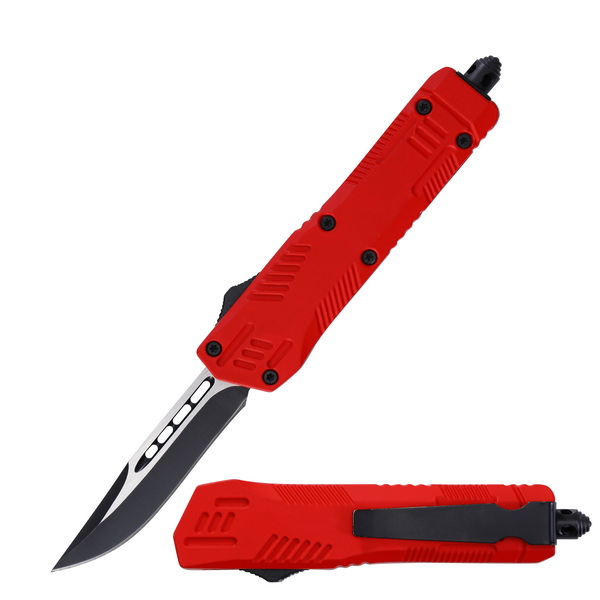
Not every cleaning requires full disassembly. Adopt these regular maintenance habits:
- Wipe the blade and handle after every outdoor use.
- Use compressed air weekly to clear out lint, dust, and fine particles.
- Deploy and retract the blade several times after lubrication to ensure even coverage.
- Inspect screws and buttons for tightness and wear each month.[6][7][3]
Blade sharpness is vital for safety and utility. Tactical OTF Knives can be sharpened using whetstones or ceramic rods.
- Secure the blade (remove it for best results).
- Sharpen at the angle recommended by your manufacturer, usually between 20-25 degrees.
- Wipe down the blade after sharpening to remove steel filings.
- Test for smooth, consistent cutting action before use.
Sharpen your Tactical OTF Knife monthly if used heavily, or quarterly for lighter use. Proper edge maintenance preserves the knife's full tactical potential.[11][7]
Thoughtful storage habits prevent environmental damage and prolong knife lifespan:
- Store in a dry, temperature-controlled location.
- Sheath or pouch storage protects against scratches and accidents.
- Never leave the knife locked open—this stresses the spring and may cause premature failure.
- Before long-term storage, clean thoroughly and apply a thin layer of lubricant.[7][3]
Environmental factors like humidity and dust accelerate wear—especially for high-end tactical knives.
Here are some basic solutions for typical problems:
- Sluggish Deployment: Clean the blade track, apply light lubricant, and test action. Persistent issues may require professional spring adjustment.[2][3]
- Sticking Button: Remove dirt and lubricate around the button.
- Incomplete Retraction: Clean and clear debris along rails; check for worn or damaged spring components.
- Blade Play: Excess movement may signal internal wear—consult the manufacturer or seek professional maintenance.
- Off-Track Blade: Manually pull the blade into place and reset the mechanism. Refer to instructions if needed.[2][3]
Early attention stops these minor problems from escalating, maintaining tactical readiness.
Some maintenance and repairs exceed typical user capabilities:
- Spring Replacement: Only experienced professionals or manufacturer service centers should replace springs to ensure safe tension and functionality.
- Deep Internal Cleaning: If unfamiliar, avoid opening the entire mechanism—incorrect reassembly may cause failure or void warranties.
- Consult Manufacturer: Always review warranty policies before attempting non-routine repairs.[3][7]
Respect for service limits keeps Tactical OTF Knives safe, effective, and protected by manufacturer guarantees.
- Do not use thick, sticky lubricants.
- Avoid vegetable oils—they break down and attract more contaminants.[9][5][6]
- Clean your knife immediately after heavy use in adverse environments (rain, mud, sand).
- Exercise knives in storage periodically to keep springs lively.
- Inspect the knife regularly for loose screws, rust, or blade dullness.
- Always follow manufacturer recommendations for cleaning procedures and lubricant types.
Simple habits deliver superior reliability and extend service life for Tactical OTF Knives.
Proper maintenance not only preserves your knife but safeguards its users. Tactical OTF Knives are invaluable but extremely sharp, and carelessness either in handling or maintenance can lead to serious injury. Use protective gloves during cleaning and keep the workspace organized to prevent accidents.
Regular maintenance also ensures legal compliance—many regions require knives to be in good working order to avoid issues with safety or carrying regulations. Responsible ownership reflects well on you, your collection, and the industry as a whole.[7][3]
A Tactical OTF Knife is a precision tool built for demanding environments. Routine maintenance—combined with deep cleaning, careful lubrication, regular inspection, and smart storage habits—guarantees optimal performance and reliability. Following the step-by-step guide and troubleshooting tips above arms you with the knowledge to keep your Tactical OTF Knife ready for action at all times. Consistent care not only preserves the integrity of the tool, but also enhances the user's safety and peace of mind, making every deployment smooth, secure, and effective.[5][6][3][7]
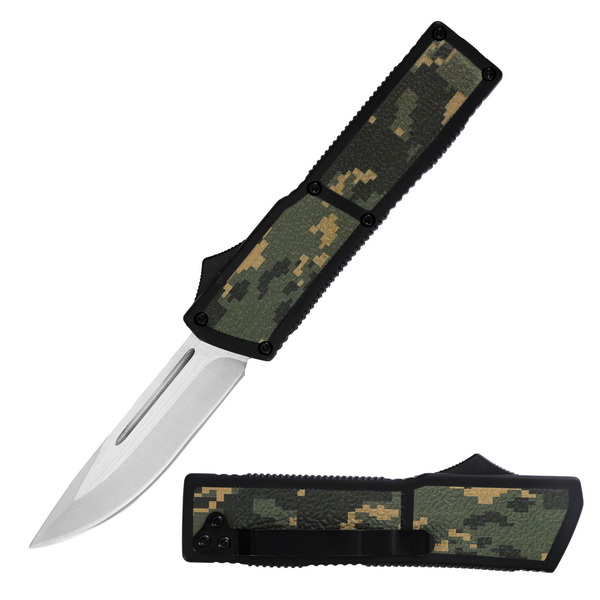
For regular users, monthly deep cleaning is recommended; for occasional use, every 2–3 months is typically sufficient. Wipe the blade after every use and blow out debris weekly.[6][5][7]
Specialty knife oil or gun oil is optimal. Avoid vegetable oils or heavy greases, which attract dirt and degrade performance. Tuf-Glide, RemOil, or WD-40 are popular choices.[9][3][5]
Disassembly is safe for most models with manufacturer guidance, but always check your manual and warranty. Some brands consider unauthorized disassembly a warranty violation.[3][5][7]
Remove the blade if possible and use a whetstone at the manufacturer's recommended angle (usually 20–25 degrees). Clean thoroughly after sharpening and test for smooth cutting action.[11][3]
Clean and lubricate the mechanism. If the blade doesn't reset, manually reposition it per the manufacturer's instructions or seek professional help for persistent issues.[2][5][3]
[1](https://ravencresttactical.com/otf-knife-maintenance-a-guide-to-keeping-your-tactical-tool-razor-sharp/)
[2](https://uppercuttactical.com/blogs/news/otf-knife-maintenance-clean-lube-fix-misfires)
[3](https://knife-depot.com/blogs/sharpened-values/otf-knives-explained-the-complete-guide)
[4](https://kratetactical.com/otf-care/)
[5](https://tacknivesusa.com/how-to-maintain-your-otf-knife-guide/)
[6](https://eknives.com/blog/good-as-new-5-cleaning-and-maintenance-tips-for-otf-knives/)
[7](https://ravencresttactical.com/otf-knife-maintenance-keeping-your-blade-in-prime-condition/)
[8](https://www.tektoknives.com/blogs/news/the-art-of-knife-maintenance)
[9](https://www.normandyknives.com/pages/otf-care-and-maintenance-king-1)
[10](https://www.youtube.com/shorts/b3tL5c46gx4)
[11](https://ravencresttactical.com/maintenance-tips/)


