
Views: 222 Author: Leah Publish Time: 2025-10-21 Origin: Site


Content Menu
● Why Proper Maintenance Matters
● Tools Needed for Maintenance and Sharpening
● Step-by-Step Guide: Cleaning Your OTF Knife
>> Step 4: Lubricate the Mechanism
>> Step 5: Final Inspection and Testing
● Sharpening Your Custom OTF Knife
● Safety Tips When Handling OTF Knives
● Recommended Products for Care
● FAQ
>> 1. How often should I clean my Custom OTF Knife?
>> 2. Can I use household oils for lubrication?
>> 3. What's the best angle for sharpening an OTF knife blade?
>> 4. Can I disassemble my Custom OTF Knife for deep cleaning?
>> 5. How do I know when to replace my Custom OTF Knife?
Maintaining your custom OTF knives is essential to keep them performing at their best. An OTF (Out-The-Front) knife is a fascinating blend of engineering and craftsmanship, prized for its quick deployment and sleek design. At Yangjiang Ruizhen Industry and Trade Co., Ltd., we specialize in providing top-notch OEM Custom OTF Knives to brands worldwide. This article will guide you step-by-step on how to properly care for, maintain, and sharpen your custom OTF knife to prolong its lifespan and functionality.
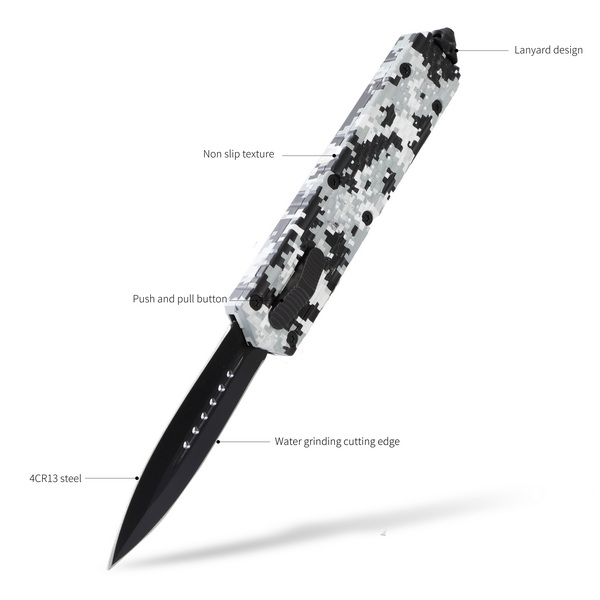
A Custom OTF Knife is a specialized type of folding knife where the blade slides straight out of the handle via a spring mechanism. Unlike traditional folding knives, the blade of an OTF knife deploys through the front of the handle, making it quick to access. Custom models from trusted manufacturers like Yangjiang Ruizhen are crafted for precision, durability, and tailored to meet the needs of enthusiasts and professionals alike.
The unique design allows for rapid deployment with just one hand, which is why these knives have become popular in tactical, emergency, and everyday carry scenarios. The construction often involves high-quality steel blades, robust locking mechanisms, and ergonomic handles made from materials like titanium, aluminum, or carbon fiber, ensuring both strength and comfort during use.
The intricate mechanism of an OTF knife can accumulate dirt and debris, which can impair its smooth operation. Additionally, the sharpness of the blade diminishes with use, impacting effectiveness and safety. Consistent maintenance:
- Ensures the spring mechanism works smoothly
- Prevents rust and corrosion
- Keeps the blade razor-sharp
- Extends the overall lifespan of the knife
Because the blade moves within a small, enclosed channel, dirt and grime can hinder deployment speed or cause jams. Rust can weaken the blade and internal parts, especially if exposed to moisture. Regular maintenance allows your Custom OTF Knives to perform reliably in critical moments and preserves their value.
To keep your Custom OTF knife in prime condition, gather the following:
- Soft cloths or microfiber towels
- Compressed air or a small brush (for removing debris)
- Isopropyl alcohol or specialized knife cleaning solutions
- Lubricant oil designed for fine mechanisms
- Sharpening stones or diamond sharpeners
- Safety gloves
Using the right tools ensures you don't damage the blade or mechanism during cleaning or sharpening. Quality lubricants help prevent gumming or corrosion inside the sliding mechanism. Sharpening stones of different grits allow you to restore the blade edge gradually without removing too much material or causing uneven surfaces.
Always start by making sure the blade is fully retracted. Wear safety gloves to prevent accidents. Working with a clean, organized workspace gives you better control over the delicate parts.
Using a can of compressed air or a small, soft brush, remove any dirt, dust, or particles from inside the blade channel and around the handle. This step is crucial to avoid abrasive material interfering with knife movement.
Moisten a cloth with isopropyl alcohol or a dedicated knife cleaner solution. Thoroughly wipe down the blade, handle, and visible parts of the mechanism. This will remove grease, fingerprints, and micro-dirt that can cause corrosion or weaken metal over time.
Apply a small drop of high-quality lubrication oil into the deployment channel and other moving parts of the knife. Spread the oil by carefully opening and closing the blade several times. Proper lubrication reduces friction, allowing the blade to slide smoothly and preventing wear.
After cleaning and lubrication, inspect the knife for any signs of damage or unusual wear. Test the deployment action smoothly several times. If you notice any sticking or unusual resistance, repeat the cleaning or apply a bit more lubricant.
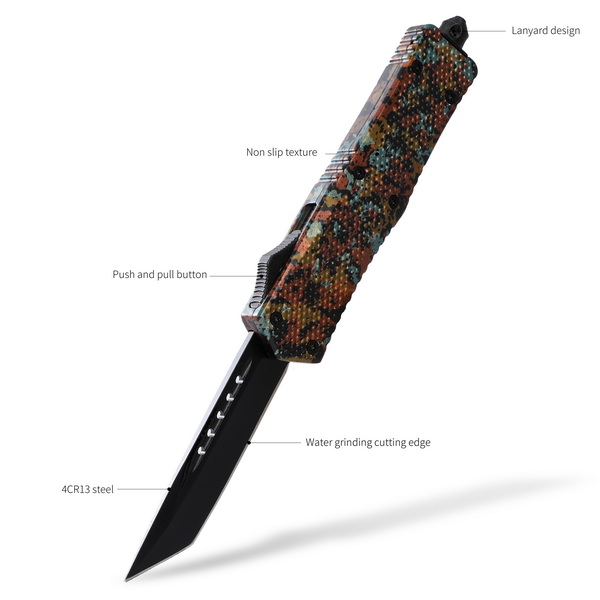
Maintaining a sharp edge is critical for effective use. A sharp blade cuts cleanly and safely, while a dull blade requires more force and risks slipping.
- Sharpening stones with a range of grits (from coarse to fine)
- Diamond or ceramic sharpeners for harder steels
1. Secure the blade carefully using a clamp or hold it firmly on a stable surface.
2. Match the existing bevel angle on your blade—usually around 20 degrees for most OTF knives.
3. Using even pressure, draw the blade edge across the sharpening stone, moving from the base to the tip.
4. Repeat the process on both sides of the blade equally to maintain balance.
5. Progress from a coarser grit stone to a finer grit to polish the edge.
6. Remove any metal burrs by using a leather strop or by gently running the blade along a fine stone.
7. Clean the blade after sharpening to remove metal filings.
Proper sharpening keeps your Custom OTF Knives effective without compromising the blade's finish or shape.
For knife enthusiasts looking to take care of their OTF knives even more thoroughly, here are advanced tips:
- Deep Cleaning: Some Custom OTF Knives can be partially disassembled by professionals to clean internal parts deeply. However, do this only if you are experienced or guided by the manufacturer's instructions, as improper disassembly can damage the mechanism or void warranties.
- Rust Prevention: Store your knives in dry environments and use rust inhibitors if exposed to moisture. Applying a light coat of oil helps shield steel from air and humidity.
- Handle Care: If your handle uses wood or other delicate materials, use appropriate conditioners regularly to prevent cracks or warping.
- Regular Inspection: Frequently check screws and fittings to make sure parts remain tight and properly aligned.
- Always keep fingers clear of the blade path during deployment and closing.
- Never force the mechanism if it sticks; clean and lubricate instead.
- Store knives in a secure sheath or locked container when not in use.
- Keep knives away from children or unauthorized persons.
- Handle and sharpen knives with protective gloves to avoid injury.
To ensure your Custom OTF Knives always perform optimally, using quality products is key:
- Premium lubricants specially formulated for folding knives and fine mechanisms
- Professional sharpening stones (e.g., water stones, diamond stones)
- Microfiber towels and dedicated knife cleaning solutions
- Protective gloves suitable for knife maintenance
Using branded or manufacturer-recommended maintenance products can provide better results and increase the longevity of your knives.
Caring for your Custom OTF Knives with regular cleaning, lubrication, and sharpening ensures they remain reliable tools for years to come. Proper maintenance not only retains the sharpness and mechanism but also enhances safety and overall performance. Whether you are a collector, enthusiast, or professional, following these maintenance steps will maximize the effectiveness of your OTF knives and preserve their value. Investing time in proper care transforms your knife into a lasting, dependable companion for any task.
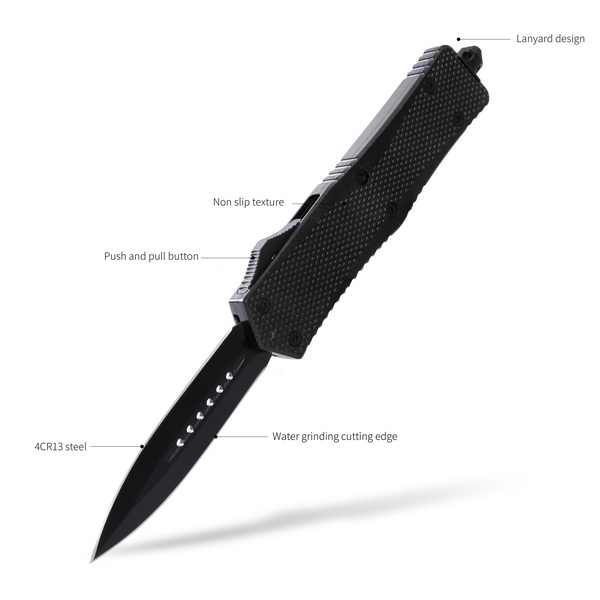
It depends on your usage. For everyday users, cleaning once a month is recommended. For heavy use or exposure to elements, clean after every few uses to prevent buildup and corrosion.
No, household oils like WD-40 are not designed for precise knife parts. Use specialized knife lubricants to avoid residue buildup and to ensure smooth operation.
Typically, sharpening at a 20-degree angle works well. However, always check the knife's specifications, as custom blades may have unique bevels.
Unless you are experienced or approved by the manufacturer, avoid disassembling your OTF knife. Incorrect handling can void warranties or damage intricate internal parts.
Replacement is advisable if the blade becomes irreparably damaged, or the mechanism malfunctions beyond repair. Regular inspections help identify early signs of wear.


