
Views: 222 Author: Leah Publish Time: 2025-11-11 Origin: Site


Content Menu
● Understanding OTF Pocket Knives
>> What Is an OTF Pocket Knife?
>> Single-Action vs. Double-Action OTF Knives
● Why Is Regular Maintenance Important?
>> Key Benefits
● Tools and Supplies for OTF Pocket Knife Maintenance
● Step-by-Step OTF Pocket Knife Maintenance
>> 2. Cleaning Your OTF Pocket Knife
>>> Surface Cleaning
>>> Deep Cleaning and Disassembly
>> 3. Lubrication and Mechanism Care
>>> How to Lubricate
>> 5. Reassembly and Function Testing
● Advanced Tips for OTF Pocket Knife Longevity
>> Managing Blade Play and Handling Wear
● Storage and Transport Best Practices
● Troubleshooting Common OTF Pocket Knife Problems
>> Blade Won't Retract or Deploy
>> Loose Fittings or Components
● Extending the Lifespan of Your OTF Pocket Knife
● FAQ
>> 1. How often should I clean and lubricate my OTF Pocket Knife?
>> 2. What kind of lubricant is best for an OTF Pocket Knife mechanism?
>> 3. Can I sharpen my OTF Pocket Knife without removing the blade?
>> 4. What should I do if my OTF Pocket Knife blade gets stuck?
>> 5. How should I store my OTF Pocket Knife for long-term durability?
OTF Pocket Knives, or Out-The-Front Pocket Knives, stand at the peak of innovation when it comes to versatile, efficient, and compact personal cutting tools. Whether you're a professional, an outdoor enthusiast, or a collector, your OTF pocket knife is an investment that deserves careful upkeep. Proper maintenance isn't merely about keeping your knife sharp; it guarantees optimal performance, safety, and longevity. This comprehensive guide delves into every aspect of maintaining your OTF Pocket Knife, equipping you with expert steps, troubleshooting strategies, and care routines to maximize its potential for years to come.
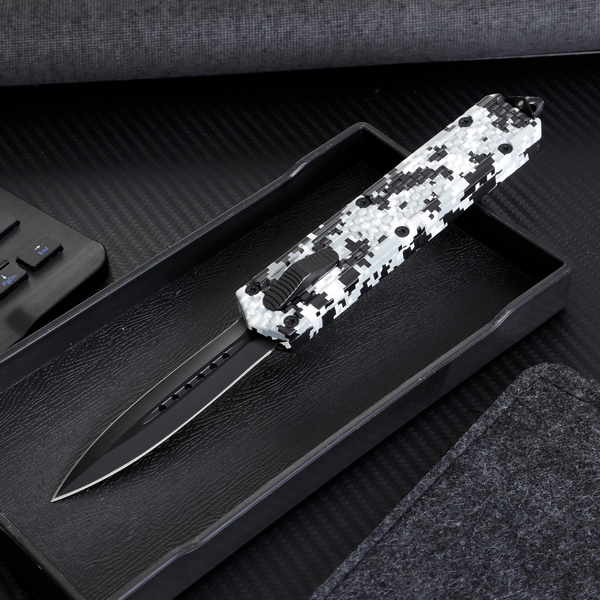
An OTF Pocket Knife features a unique mechanism where the blade is deployed straight out of the handle with a direct push—hence the name “out-the-front.” Unlike traditional folding knives, OTF Pocket Knives use a spring-loaded slider or button that makes their operation swift and convenient. This design is favored by professionals in tactical, rescue, and everyday applications—whenever speed and ease are required.
- Single-Action OTF Knives: These require manual retraction after a push-button deployment. Known for simplicity and fewer moving parts, they're easier to maintain but demand special attention to the loading mechanism.
- Double-Action OTF Knives: Capable of deploying and retracting the blade with the same switch. The double-action feature involves more complex internal mechanics, which require regular lubrication and debris management for hassle-free performance.
OTF Pocket Knives have complex internal systems. Maintenance preserves their smooth blade deployment, prevents corrosion, ensures safety, and extends the tool's longevity. Without routine care, dirt and debris can interfere with the knife's performance or even render it unsafe.
- Build-up of debris leads to jamming or sluggish blade action
- Internal springs and tracks can corrode, weakening the mechanism
- Dull blades require more force, increasing accident risk
- Failure to maintain can void warranties on many OTF Pocket Knives
- Microfiber cleaning cloths: For removing fingerprints and debris without scratching metal
- Lubricant: Dedicated knife lubricants or mineral oil are best for reducing friction
- Quality screwdriver set: For precise disassembly and reassembly
- Compressed air can: Vital for blowing out dirt from hard-to-reach areas inside the handle
- Sharpening stone/system: Keeps the blade sharp and ready for action
- Cotton swabs and toothpicks: For cleaning tight corners and pivot points
Before starting, always disengage the knife and ensure it's retracted. Wear safety gloves, especially during disassembly, to protect your hands from accidental cuts or slips. Work on a clutter-free surface to avoid losing any small components.
- Eject or retract the blade as per the model's instructions and wipe down both the blade and handle with a microfiber cloth.
- Use a cotton swab dipped in mild soapy water to clean around the blade pivot and inside the handle's opening.
- Remove lint, pocket dust, and other debris from the track and trigger mechanisms with compressed air.
- Using the correct screwdriver, carefully remove the handle screws. Lay out each part to remember reassembly order.
- Gently detach the handle sides, exposing the internal mechanism.
- Soak steel pieces in warm soapy water, avoiding any electronic or spring tensioned parts.
- Dry every piece thoroughly with a lint-free cloth before reassembly.
- For stubborn grime or rust, use a toothpick or very fine steel wool, being cautious not to damage delicate edges.
- The blade rails or tracks where the blade slides in and out
- The blade pivot section and all exposed moving joints
- The internal button or slider that springs the blade
- Apply only a small amount. Excess oil can attract debris and gum up the mechanism.
- Use the deployment button several times to distribute the lubricant evenly.
- Wipe off any visible excess to prevent slippery surfaces or oil marks when carrying your OTF Pocket Knife in your pocket.
- A dull OTF Pocket Knife blade should be sharpened before performance is visibly affected.
- Sharpen the blade at a 20-degree angle, using even strokes from the base to the tip.
- Test sharpness by slicing through paper or gently feeling the edge.
- Always clean and dry the blade before sharpening.
- Remove the blade from the handle if the design allows for safer and more precise sharpening.
- For ceramic or serrated blades, use specialized sharpening rods.
- Reinsert all dry components into the correct positions.
- Tighten screws evenly—do not overtighten, as this can warp the handle or hinder movement.
- Deploy and retract the blade several times to ensure smooth operation with no sticking or grinding sounds.
- Wipe down the exterior as a finishing touch.
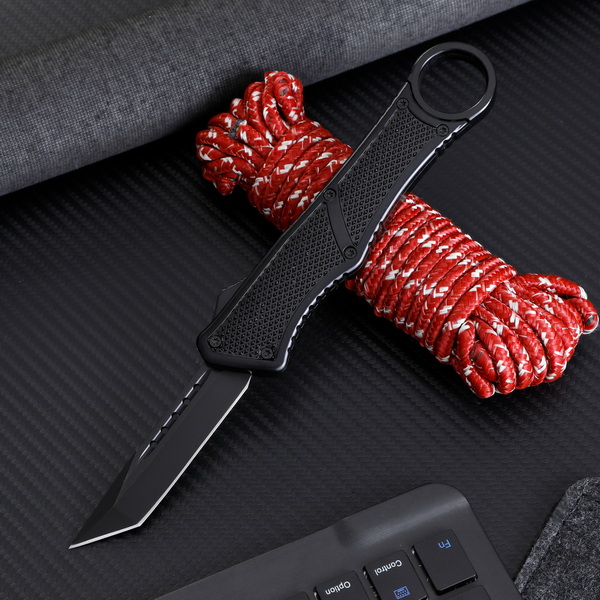
Check your OTF Pocket Knife after each use for:
- Blade sharpness and any defects on the edge
- Buildup of residue or lint around the tracks and trigger mechanism
- Loose screws or any sign of weakened spring tension
- Spots of rust, especially if exposed to moisture or harsh environments
OTF Pocket Knives are typically crafted from high-grade stainless steel, but even these can suffer corrosion with improper care.
- After contact with water or corrosive substances, always dry thoroughly.
- Apply a light coating of oil to the blade and internal tracks for extra protection.
- Store your knife in a moisture-free environment, away from leather sheaths if damp.
- Over time, some OTF Pocket Knives may develop “blade play” (side-to-side movement).
- Address this by tightening pivot screws and, if needed, consulting the manufacturer for replacement springs or sliders.
Store your OTF Pocket Knife:
- In a dedicated sheath or soft pouch to prevent scratches or debris
- Away from children and in compliance with local laws
- With the blade retracted and locking mechanism engaged
- In a dry, temperature-stable environment like a toolbox drawer or safe
- Always transport your OTF Pocket Knife with the blade fully retracted.
- Confirm legal carry limits and regulations for your region (many countries and states restrict OTF knife carry).
- For air travel or high-security situations, keep your OTF Pocket Knife at home or in checked baggage, not on your person.
- Check for visible obstructions or lint inside the handle.
- Disassemble for detailed cleaning and re-lubricate tracks.
- If the spring mechanism fails, the knife may require professional service or factory repair.
- Gently tighten screws but avoid using excessive force.
- If screw holes are stripped, contact the manufacturer for replacements.
- Inspect internal springs and sliders for signs of wear; these can often be replaced to restore function.
- A small amount of rattling is normal as components move freely.
- Persistent or loud rattling could mean missing screws or internal parts that have come loose—disassemble and check.
- Develop a habit of regular cleaning and inspection.
- Sharpen the blade before it is obviously blunt—this requires less material removal and preserves steel.
- Only use your OTF Pocket Knife for tasks appropriate to its design (avoid prying, digging, or using as a screwdriver).
- Invest in quality accessories and sheaths for both protection and style.
- Consider professional service every year if your OTF Pocket Knife is used daily or exposed to adverse conditions frequently.
A well-cared-for OTF Pocket Knife becomes more than just a tool—it's a reliable partner in your daily work, adventures, or collection. By practicing consistent cleaning, lubrication, careful sharpening, and secure storage, you preserve both the quality and safety of your OTF Pocket Knife. Don't treat maintenance as a chore; instead, regard it as a vital habit that protects your investment and ensures your knife is always ready for action. With the guidance in this article, your OTF Pocket Knife will deliver years of high performance, resilience, and satisfaction.
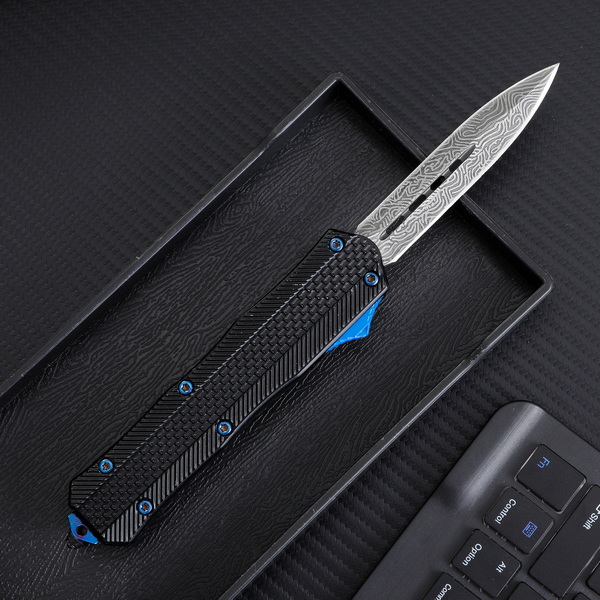
Ideally, clean it every week if carried daily, and always after exposure to dirt, sand, moisture, or heavy use. Lubricate internal mechanisms each time after cleaning for optimal glide and protection.
Use a knife-specific lubricant or light mineral oil designed for precision tools. Avoid thick or sticky oils that attract dust.
It is possible if the knife design allows access, but removing the blade provides safer, more uniform sharpening and prevents accidental closure or damage to the handle.
Disassemble the handle (following the maker's guide), remove all debris, lubricate the rails, and reassemble. If the spring seems weak or broken, contact the manufacturer for service or replacement parts.
Keep the knife in a dry, cool environment with the blade retracted. Store it in a sheath or pouch and occasionally check for signs of rust or oil drying out.


