
Views: 222 Author: Loretta Publish Time: 2025-09-19 Origin: Site


Content Menu
● Essential Outdoor Gear for Beginners
>> Backpack
>> Footwear
>> Multi-Tool or Outdoor Knife
>> Lighting
● Additional Gear Recommendations and Tips
>> Insect Repellent and Insect Nets
● Preparing Your Outdoor Gear: Practical Tips
● FAQ: Outdoor Gear for Beginners
>> 1. What is the most important outdoor gear for beginners?
>> 2. How do I choose the right backpack size?
>> 3. Can I use a regular knife instead of an outdoor knife?
>> 4. How important is layering clothing?
>> 5. What water filtration methods are recommended?
Embarking on your first outdoor expedition can be both exciting and overwhelming. Having the right outdoor gear is crucial for safety, comfort, and enjoyment in nature. Whether you're planning a hiking trip, camping adventure, or backpacking journey, knowing what equipment to bring sets the foundation for a successful experience. This guide covers essential outdoor gear for beginners, explaining each item's purpose and practical use to help you prepare thoroughly.

Proper outdoor gear enhances your ability to navigate, stay protected from the elements, and manage emergencies, especially when you are new to hiking or camping. Cheap or inadequate equipment can lead to discomfort, injuries, or worse during your expedition. Investing in quality gear ensures a smoother, safer outdoor experience. Beyond safety, the right gear significantly improves your comfort, helping you enjoy every moment outdoors.
Your backpack is the core piece of outdoor gear that carries all your essentials. For beginners, a comfortable, adjustable backpack with a capacity of 40-60 liters is ideal for multi-day trips. The fit should feel snug with proper padding on the shoulders and hips to distribute weight evenly, reducing fatigue. Look for backpacks with external attachment points to carry bulky gear like tents or sleeping pads.
Good hiking boots or trail shoes protect your feet and provide traction on uneven terrain. Waterproof and breathable materials prevent blisters and keep your feet dry in wet conditions. Begin by purchasing footwear that fits well and offers ankle support if you're carrying heavy loads or trekking on rugged trails. Breaking in your boots ahead of time will ensure comfort throughout your journey.
Dressing in layers is fundamental for outdoor comfort and protection. A moisture-wicking base layer draws sweat away from your skin to keep you dry. An insulating middle layer, such as fleece or down, retains heat during cool conditions. A waterproof and windproof outer shell shields you from rain, wind, and snow. This system allows you to adjust clothing according to weather changes throughout your expedition.
A lightweight and durable tent is optimal for shelter in most environments. Choose one that is easy to set up and provides good ventilation. Alternatively, hammocks with built-in insect nets are great for warmer climates or forested areas. Ensure your shelter matches the season and conditions you expect to encounter—three-season tents cover most needs for spring to fall.
A sleeping bag rated for the climate you'll encounter is critical for warmth and comfort. Down sleeping bags are lightweight and compressible but lose insulating properties when wet; synthetic bags perform better in damp conditions. Complement your sleeping bag with an insulated sleeping pad to prevent heat loss to the ground and add cushioning.
Outdoor gear includes navigation tools like maps, compasses, and GPS devices to prevent you from getting lost. Learning basic map reading and compass skills is essential; technology can fail due to battery depletion or signal loss. Carrying multiple navigation aids builds confidence and increases safety on your expedition.
Access to clean water is vital for hydration and health. Carrying lightweight water filters or purification tablets is recommended over relying solely on bottled water. Filters remove bacteria and protozoa, while tablets can disinfect water from natural sources. A foldable water container or hydration bladder allows easy access while hiking.
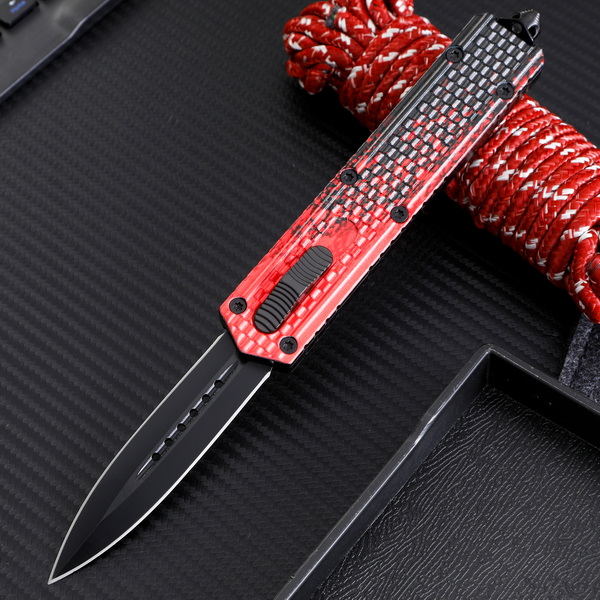
A reliable multi-tool or outdoor knife is essential for campsite tasks, emergency situations, and food preparation. Choose tools with durable blades, secure locking mechanisms, and additional functions like screwdrivers or can openers. An outdoor knife specifically designed for field use usually features a sharper, thicker blade and handles suited for prolonged work.
Portable stoves, cookware, and fuel let you prepare meals and boil water safely. Lightweight camping stoves that use canister fuel or liquid fuel are popular. Consider stove size, fuel availability, and ease of lighting. Cookware should be durable and easy to clean, and utensils like sporks save space and weight.

Headlamps or lanterns allow hands-free lighting at night, crucial for campsite activities or emergencies. Choose energy-efficient LED lights with adjustable brightness settings. Carry extra batteries or consider rechargeable options to ensure reliable illumination throughout your expedition.
A compact first aid kit tailored for outdoor emergencies should be part of your gear. Include bandages, antiseptic wipes, pain relievers, blister treatment, and insect bite remedies. If you have medication needs, pack those along with copies of prescriptions. Knowledge of basic first aid procedures enhances the kit's effectiveness.
Sun protection (hat, sunscreen, sunglasses) and rain gear (rain jacket, poncho) prepare you for unpredictable conditions. Lightweight breathable rain gear that can pack small is most practical. Sunscreens with high SPF and broad-spectrum protection prevent burns, while sunglasses protect eyes from UV damage and glare.
Protect your pack and its contents with a waterproof rain cover that fits snugly. This simple accessory prevents your gear from getting soaked during heavy rain and protects fragile electronics or important documents inside your backpack.
In remote areas, carrying a communication device like a satellite messenger or personal locator beacon (PLB) can save lives. These devices allow you to send distress signals when cell phone coverage is unavailable, alerting rescue teams with your GPS coordinates.
Trekking poles reduce stress on your knees and provide balance on uneven terrain. Adjustable poles help customize length according to hiking conditions. Beginners often find them helpful for stability, especially during descents or when crossing streams.
Depending on your destination, insects may impact your comfort and health. Use insect repellents containing DEET or natural alternatives, and bring insect nets for sleeping areas, especially if opting for a hammock.
To prevent wildlife encounters, store food in bear-proof containers or hang food bags out of reach of animals. Lightweight resealable bags or vacuum-sealed packs keep food fresh and organized within your backpack.
- Always test new gear on smaller trips or day hikes before relying on them for multi-day expeditions.
- Pack all gear in an organized manner, placing frequently used items in accessible compartments.
- Keep heavy items close to your back and centered in your pack to maintain balance.
- Learn basic repair skills—carrying duct tape, paracord, and a sewing kit can rescue torn clothing or broken straps.
Selecting the right outdoor gear is key to an enjoyable and safe first expedition. This comprehensive list equips beginners with everything needed to face the great outdoors confidently. Investing in quality gear like sturdy backpacks, reliable footwear, proper shelter, reliable navigation aids, and essential tools such as outdoor knives ensures you are prepared for common challenges. By understanding each item's purpose and how to use it effectively, you'll enjoy your first adventure and build the foundation for many more. Preparation and the right equipment turn the unpredictability of nature into a rewarding and memorable experience.
The most critical outdoor gear includes a comfortable backpack, proper footwear, shelter (tent or hammock), navigation tools, and an all-purpose outdoor knife. These items ensure safety, comfort, and the ability to handle basic tasks during your expedition.
For beginners on multi-day trips, a 40-60 liter backpack is generally sufficient. The fit should be snug, with adjustable straps to distribute weight properly. Try on backpacks with weight before buying to ensure comfort.
Regular knives may lack the durability and safety features needed for outdoor use. Outdoor knives are designed for robust use, offering better grip, secure locking mechanisms, and versatility for cutting, carving, or food preparation.
Layering is vital for regulating body temperature and staying dry. It allows you to adapt to changing weather by adding or removing layers, preventing overheating or hypothermia during your trip.
Portable water filters, purification tablets, and UV purifiers are effective and lightweight options to ensure safe drinking water from natural sources. Carry more than one method as a backup.


