
Views: 222 Author: Leah Publish Time: 2025-11-23 Origin: Site


Content Menu
● Understanding Tactical OTF Knives
● Why Japan Excels in Tactical OTF Knives
● Core Features of High‑Quality Tactical OTF Knives
● Typical Materials Used by Japanese Manufacturers
● Japanese Craftsmanship and Manufacturing Process
● Role of OEM and Private Label Production
● How Japanese Suppliers Support Global Buyers
● Selecting the Right Tactical OTF Knives Partner
● Compliance and Legal Considerations
● Performance Optimization for Tactical Use
● Branding and Design Customization
● Building Long‑Term Relationships with Japanese Manufacturers
● FAQ
>> 1. What makes Japanese Tactical OTF Knives Manufacturers and Suppliers different from other regions?
>> 2. Can Japanese manufacturers provide OEM and private‑label tactical OTF knives?
>> 3. How should foreign buyers handle legal restrictions on OTF knives?
>> 5. How can a brand evaluate the quality of an OTF knife sample from a Japanese supplier?
Japan is globally recognized for its precision metalworking and refined blade culture, which naturally extends into the tactical knife industry. As demand grows for reliable, fast-deploying tools, more buyers look for tactical OTF knives manufacturers and suppliers in Japan to source high-quality products or develop OEM projects for their own brands. Japan's strengths in metallurgy, tight tolerances, and quality management make it an attractive base for tactical OTF knifesourcing.
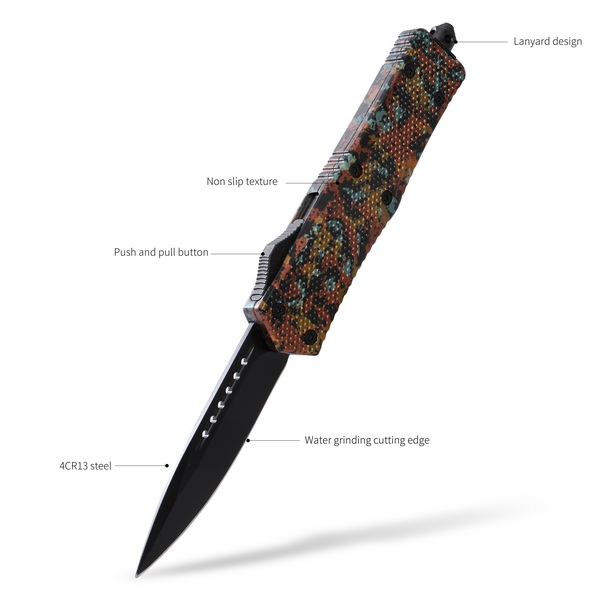
Tactical OTF (Out-The-Front) knives feature blades that deploy straight out from the front of the handle instead of folding out from the side. This linear deployment allows for quick one‑handed opening, which is especially valued in military, law enforcement, and emergency contexts. A well‑engineered OTF mechanism combines a compact footprint with rapid readiness, giving users a tactical edge in situations where reaction time matters.
The majority of Tactical OTF Knives Manufacturers and Suppliers focus on robust internal mechanisms that keep the blade locked securely once deployed, ensuring stability during heavy-duty cutting tasks. In addition, modern OTF knives are built with corrosion-resistant steels, ergonomic handle shapes, and pocket‑friendly designs to support everyday carry and outdoor survival use.
Japan's knife industry inherits centuries of swordsmithing tradition while using advanced industrial equipment and quality systems. Many Japanese factories combine CNC machining, laser cutting, and automated polishing with hand finishing by experienced craftsmen. This hybrid production style results in blades that are both technically precise and aesthetically refined.
Because of strict quality expectations in the domestic market, Japanese Tactical OTF Knives Manufacturers and Suppliers often operate with tighter tolerances than mass‑market producers elsewhere. This is crucial for OTF designs, where blade tracks, springs, and locks must all align perfectly. Even slight deviations can degrade deployment speed, cause blade wobble, or shorten the tool's working life.
When evaluating tactical OTF knives from Japan, buyers usually focus on several core performance factors. These elements directly influence how the knife feels in hand and how it performs in harsh, real‑world conditions.
Key features often include:
- Precision‑machined blade tracks and rails to support smooth in‑and‑out movement with minimal friction.
- Optimized spring tension or dual-action mechanisms designed for quick deployment without sacrificing control.
- Advanced blade steels such as high‑carbon stainless or tool steels that balance edge retention, toughness, and corrosion resistance.
- Ergonomic handles and grip textures designed to remain secure even in wet or gloved conditions.
- Reliable safety mechanisms that reduce accidental deployment or closure during intensive activities.
Japanese Tactical OTF Knives Manufacturers and Suppliers generally use materials that are proven in both industrial and outdoor environments. Many producers draw on the same steel families common in high‑end kitchen knives, then adapt them to tactical geometries and heat treatments. The goal is to achieve a balance between hardness, toughness, and ease of maintenance in the field.
Common material choices include:
- High‑carbon stainless steels known for resistance to rust, particularly important for maritime or humid environments.
- Powder metallurgy steels on higher‑end models, offering refined grain structures and superior edge stability.
- Aluminum, titanium, or stainless handles with surface treatments like anodizing or bead blasting for grip and durability.
- G10, micarta, or engineered polymers for lightweight, impact‑resistant handle scales that resist temperature extremes.
Japanese knife factories typically follow a structured but craft‑oriented process that blends traditional forging ideas with modern mass‑production methods. In many facilities, blade blanks are pressed or cut out from steel sheets using precision dies and then heat‑treated to exact temperature profiles to reach target hardness levels. Proper quenching and tempering are essential to achieve a durable yet resilient blade.
After heat treatment, blades undergo various grinding, polishing, and sharpening steps, often combining automated stations with a final human inspection. During assembly, the OTF mechanisms are carefully fitted; components like springs, sliders, and rails are repeatedly adjusted until deployment feels consistent and crisp. This detailed approach to both blade and mechanism allows Japanese Tactical OTF Knives Manufacturers and Suppliers to offer tools that feel refined right out of the box.
For overseas brands, one of the most important functions of Japanese manufacturers is their role as OEM and private‑label partners. Through OEM arrangements, a foreign company can specify design concepts, materials, surface finishes, and branding elements while the Japanese factory handles engineering, prototyping, and production. This setup allows small and medium‑sized brands to enter the tactical OTF segment without building their own facilities.
OEM partnerships with Japanese Tactical OTF Knives Manufacturers and Suppliers often include:
- Collaborative design sessions to define blade shapes, grinds, and handle ergonomics.
- Prototype runs to validate mechanical performance and aesthetic details.
- Packaging and branding solutions aligned with the buyer's market positioning.
- Long‑term supply planning that supports stable inventory and product rollouts.
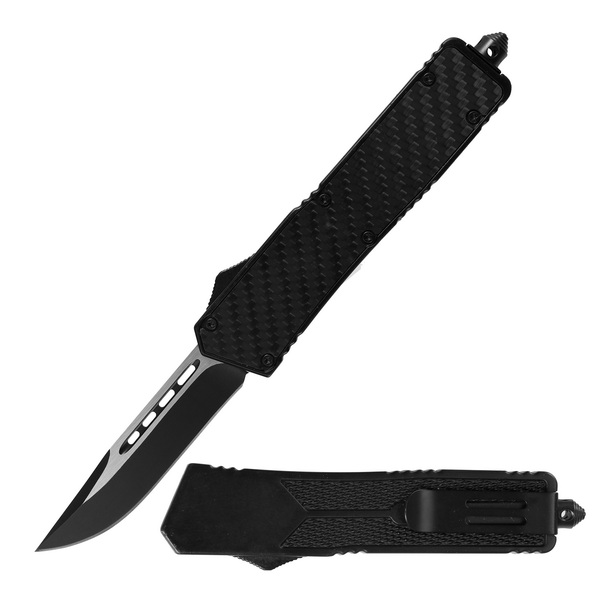
Professional Japanese suppliers are accustomed to working with international clients, including importers, wholesalers, and big‑box retailers. Many have staff who can communicate in English and who understand documentation needs for customs, shipping, and compliance in different regions. This experience significantly reduces friction for foreign companies sourcing tactical OTF knives.
Support typically covers:
- Technical documentation such as material certificates and quality control reports.
- Regulatory coordination to help buyers align products with local rules for blade length, locking mechanisms, and automatic operation.
- Logistics assistance including export packing, palletization, and coordination with freight forwarders.
- After‑sales support for warranty claims, spare parts, or upgrades over the product's life cycle.
Choosing the best Tactical OTF Knives Manufacturers and Suppliers in Japan depends on your target market, positioning, and volume requirements. High‑end niche brands may prioritize craftsmanship and premium materials, whereas large retailers may focus on competitive cost, volume capacity, and consistent lead times. Defining your priorities at the beginning makes discussions with Japanese partners much more efficient.
Key selection criteria include:
- Mechanical performance testing: Check deployment speed, lock strength, and long‑term reliability.
- Material and finish options: Confirm access to the steel grades and handle materials that fit your brand concept.
- Quality control process: Ask how defects are screened and what inspection milestones exist from raw material to final packing.
- Scalability: Evaluate whether the factory can grow with your business as sales increase.
- Communication and responsiveness: Ensure there is a clear point of contact who can manage design changes or urgent orders.
One area that foreign buyers must handle carefully is legal compliance in destination markets. OTF knives, especially fully automatic designs, are regulated in many countries and may not be legal for everyday carry or unrestricted sale. While Japanese Tactical OTF Knives Manufacturers and Suppliers can produce according to your specifications, it remains the buyer's responsibility to understand local law.
When planning a product line, consider:
- Blade length limits and categories such as automatic, assisted‑open, or manual.
- Intended customer base, for example law enforcement, outdoor professionals, collectors, or general consumers.
- Labeling and warnings, including proper age restrictions and safe‑use guidelines.
- Alternative product variants, such as non‑automatic models, for regions with stricter rules.
High‑performance tactical OTF knives must go beyond simple visual appeal. Professionals using these knives in the field expect them to cut reliably under stress, resist corrosion, and maintain function after repeated deployment cycles. Japanese manufacturers devote significant engineering effort to optimizing the interface between blade steel, heat treatment, and mechanical design for real‑world use.
Performance optimization may focus on:
- Edge geometry, balancing slicing efficiency with resistance to chipping on harder materials.
- Spring and mechanism life, tested through thousands of open/close cycles to verify durability.
- Grip security, with handle contours and texturing tailored to gloved or wet hands.
- Maintenance ease, such as screws, access points, and lubricants that allow end‑users to clean and service the knife.
A major advantage of working with experienced Tactical OTF Knives Manufacturers and Suppliers in Japan is the creative flexibility they offer for brand differentiation. Instead of purchasing generic catalog models, many international buyers develop distinctive knives that reflect their own identity and target niche. Japanese factories can support this through both structural and cosmetic customization.
Potential customization options include:
- Unique blade shapes, swedge lines, or partial serrations.
- Special handle geometries or inlays such as carbon fiber, wood, or custom G10 patterns.
- Surface finishes like stonewash, bead‑blast, satin, or multi‑tone anodizing.
- Laser‑etched logos, serial numbers, and limited‑edition artwork.
- Custom packaging, including boxes, pouches, and documentation that enhance perceived value.
Success in sourcing tactical OTF knives from Japan often comes from building long‑term partnerships rather than one‑time orders. Japanese business culture typically values consistency, trust, and mutual growth. Buyers who share clear forecasts, give structured feedback, and respect development timelines tend to gain priority support, better payment terms, and earlier access to new technology.
To build a sustainable relationship with Tactical OTF Knives Manufacturers and Suppliers in Japan:
- Communicate product roadmaps and future line expansions so factories can plan capacity.
- Provide detailed performance feedback from your market to help refine designs over time.
- Treat prototypes and trial orders as investments in a shared future, not just cost items.
- Visit facilities when possible to understand their capabilities and to strengthen personal connections.
Japan's heritage of precision blade making, combined with modern manufacturing technology, has created an ideal environment for the production of high‑quality tactical OTF knives. For foreign brands, wholesalers, and distributors, working with Japanese Tactical OTF Knives Manufacturers and Suppliers offers access to reliable mechanisms, advanced materials, and disciplined quality management. By carefully choosing the right partner, clarifying design goals, and planning for legal compliance, businesses can build distinctive OTF product lines that stand out in competitive markets.
A long‑term collaboration with Japanese suppliers not only secures consistent product quality but also opens the door to continuous innovation in blade steels, mechanism design, and ergonomic construction. In an industry where reliability and performance are non‑negotiable, the Japanese approach to craftsmanship and engineering gives tactical OTF knife brands a powerful foundation for growth.
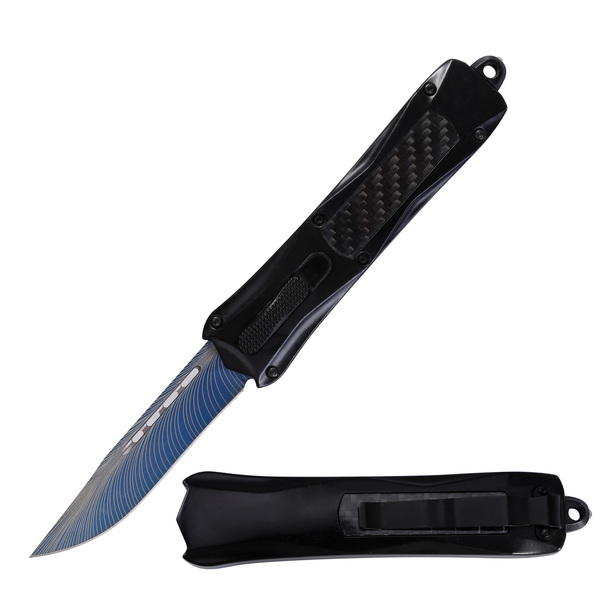
Japanese manufacturers typically operate with tight tolerances, advanced heat‑treatment processes, and a culture of meticulous inspection. This combination often delivers smoother deployment, cleaner fit‑and‑finish, and better long‑term reliability than many mass‑market alternatives.
Yes. Many Japanese Tactical OTF Knives Manufacturers and Suppliers specialize in OEM and private‑label services, supporting custom blade designs, handle shapes, surface finishes, and branding elements such as logos, serial numbers, and packaging.
Buyers must research and comply with knife laws in their own countries, including rules on blade length, automatic mechanisms, and intended user groups. Japanese factories can build to specification but rely on importers and distributors to ensure that products are legal and properly labeled in each market.
Minimum order quantities vary by factory and complexity of the design. Simple modifications to existing models may have relatively low MOQs, while fully custom OTF projects with unique tooling, blades, and handles usually require larger initial commitments to justify development costs.
Brands should test deployment speed, lock stability, and mechanism consistency over many open/close cycles. They should also inspect edge sharpness, alignment, handle ergonomics, and overall fit‑and‑finish. Real‑world field testing, including exposure to moisture, dirt, and repeated cutting tasks, offers the best indication of long‑term performance.
[1](https://www.youtube.com/watch?v=EwG2oytZCl8)
[2](https://bladeops.com/blog/the-history-of-otf-knives-from-military-tool-to-everyday-essential/)
[3](https://www.58hrcknives.com/how-tactical-otf-knives-are-engineered-for-high-performance-tasks.html)
[4](https://www.echefknife.com/blogs/blog/the-japanese-knife-making-process)
[5](https://takahashikusu.co.jp/en/sakai-knife-process/)
[6](https://www.tojiro-japan.com/open-factory/knife_factory/)
[7](https://global.ichimonji.co.jp/blogs/a-craftsmans-eyes-view/how-japanese-knives-are-made)
[8](https://www.youtube.com/watch?v=WnoNfIRdynM)
[9](https://eknives.com/blog/reate-knives-manufacturing-process-in-depth-look)
[10](https://www.youtube.com/watch?v=A5-wyymIysU)


