
Views: 222 Author: Leah Publish Time: 2025-10-16 Origin: Site


Content Menu
● Understanding Heavy-Duty OTF Knives
● Deployment Mechanism and Action
● Build Quality and Brand Reliability
● FAQ
>> 1. What is the difference between single-action and double-action OTF knives?
>> 2. How often should I lubricate my heavy-duty OTF knife?
>> 3. Can I submerge my OTF knife in water for cleaning?
>> 4. What handle materials are best for heavy-duty use?
>> 5. How do I know if an OTF knife is safe to carry?
Heavy-duty OTF knives are exceptional tools designed for rapid, one-handed deployment with exceptional strength and durability. They are frequently used in tactical, outdoor, emergency, and demanding work environments where both speed and reliability are crucial. Selecting the right heavy-duty OTF (Out-the-Front) knife can be challenging due to the wide variety of designs, materials, and mechanisms available on the market. This article focuses on what to avoid when purchasing a heavy-duty OTF knife to ensure superior performance, safety, and longevity.

An OTF knife operates with a blade that extends and retracts straight out from the handle via an automatic spring-loaded mechanism. Unlike folding knives, which pivot open, OTF knives offer swift deployment, often critical in survival or tactical scenarios. Heavy-duty OTF knives are specifically built to withstand strenuous use, usually featuring robust materials and well-engineered mechanical parts designed for both endurance and dependability.
One of the most critical factors to consider—and avoid compromising—is the blade steel quality. Many buyers fall into the trap of opting for cheaper steels that cannot hold an edge or resist wear effectively. Avoid blades made from low-quality stainless steel or entry-level options like 440C unless they are specifically heat-treated for hard use. Instead, look for premium steels such as CPM-S30V, M390, or Magnacut, known for outstanding edge retention, corrosion resistance, and toughness.
Avoid very thin blades on heavy-duty knives; a blade that is too thin may flex, chip, or break under pressured tasks like prying or cutting tough materials. For heavy-duty applications, a thicker blade profile balances sharpness with strength.
Additionally, avoid improper sharpening habits such as excessive use of pull-through sharpeners, which can rapidly degrade fine steel edges. Proper sharpening techniques using whetstones or professional services will preserve the edge longer, ensuring your Heavy-Duty OTF Knife remains an efficient tool.
The performance of the deployment mechanism largely determines the usability of an OTF knife. Avoid knives with weak springs or inconsistent action, as these can lead to slow or failed blade deployment—counterproductive in urgent situations. Lightweight or low-quality springs often degrade quickly, causing malfunctions.
Avoid blades with excessive side-to-side play when deployed. While minor movement is expected, loose blades diminish precision and safety and can cause premature wear on the mechanism. When testing a knife, deploy and flick it multiple times to assess consistent, smooth motion without sticking or wobbling.
Avoid handles or internal parts over-lubricated with heavy grease or inappropriate oils. They slow down blade speeds and can attract dirt, dust, and debris, leading to jams or corrosion inside the housing.
When choosing a Heavy-Duty OTF Knife, ergonomics and handle texture are vital for safety and effectiveness. Avoid knives with smooth, slick handles, especially if intended for use in wet, oily, or gloved conditions. Materials such as textured aluminum, G-10 composite, or carbon fiber provide a secure grip, reducing slippage risks.
Avoid designs that cause discomfort or lead to hand fatigue during prolonged use. Handles should be contoured to fit comfortably in the hand, with safeguard areas to prevent slipping onto the blade. Uncomfortable or poorly shaped handles can compromise control, increasing the chance of accidents.
Avoid knives lacking secure locking or safety mechanisms to keep the blade from deploying accidentally. Safety locks, switch blocks, or other measures ensure the blade only extends when intended, protecting the user and others from injury.
The marketplace for OTF knives is wide-ranging, and brand reputation is a significant indicator of product quality. Avoid selecting unknown or budget manufacturers with poor reviews regarding quality and reliability. Knockoff or cheaply made knives often use substandard components like weak screws, inferior metals, and unstable deployment systems prone to failure.
Avoid overpaying for knives that do not come with warranties or quality assurance. High-quality manufacturers typically provide guarantees reflecting their confidence in durability and craftsmanship. Buying from reputable brands reduces risks of defective or quickly worn-out products.
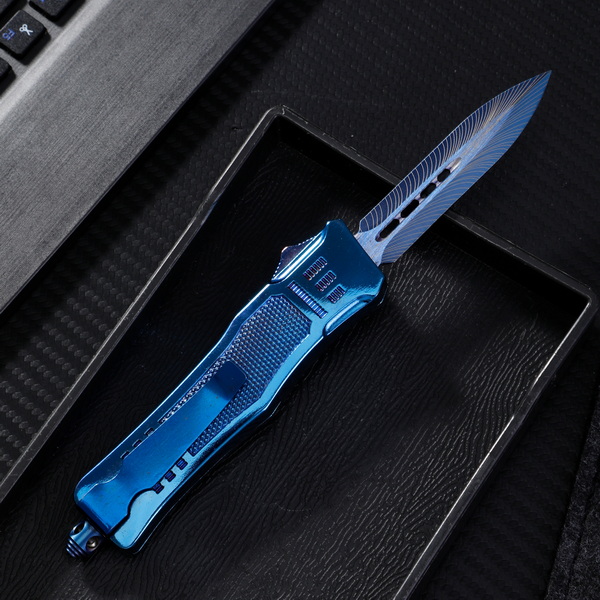
Safety cannot be overstated when dealing with OTF knives due to their rapid, automatic action. Avoid knives without a safety lock that prevent unintended switching or blade deployment. Without safety features, the blade can accidentally release from pressure on the button or slider, posing serious hazards.
Avoid carrying OTF knives without considering how they fit in your pocket or tactical gear. Bulky or poorly designed clips can snag on fabric, causing accidental blade release. Choose knives with secure, low-profile clips and proper sheathing options.
Proper training and awareness on handle grip, deployment, and retraction are essential. Avoid practicing rapid deployment without mastering control to prevent injury.
No matter the build quality, ongoing maintenance is vital. Avoid immersing your Heavy-Duty OTF Knife in water. Unlike simple folding knives, water can seep into the internal mechanism, causing rust and corrosion, quickly impairing blade action.
Avoid harsh chemicals and solvents during cleaning. Instead, use mild alcohol wipes or specialized knife cleaners that preserve coatings and handle materials.
Avoid neglecting blade and mechanism cleaning. Dirt, dust, and grime accumulation can jam the spring mechanism, dull the blade, and increase wear. Regular cleaning with compressed air, light oiling using specialized lubricants, and periodic inspections keep the knife functional and extend its lifespan.
- Test the knife multiple times under different conditions before purchasing.
- Request documentation or specifications on the steel type and heat treatment process.
- Verify drop-in replacement parts availability for repairs.
- Confirm warranty terms and after-sales support options.
- Practice safe handling with the knife before using it in critical situations.
When purchasing a Heavy-Duty OTF Knife, avoid compromising on critical components like blade steel, deployment mechanics, handle ergonomics, and safety features. Selection mistakes often revolve around low-quality materials, unreliable or weak internal springs, poorly textured handles, and insufficient safety mechanisms. Emphasizing reputable brands with proven durability, consistent action, and comfortable grip ensures that the knife will perform effectively under demanding conditions.
Furthermore, regular maintenance including careful cleaning and lubrication is essential to keep the knife in prime condition, supporting its longevity and safety. Being mindful of these avoidances will guide buyers towards heavy-duty OTF knives that offer fast, reliable, and safe blade deployment for years to come.
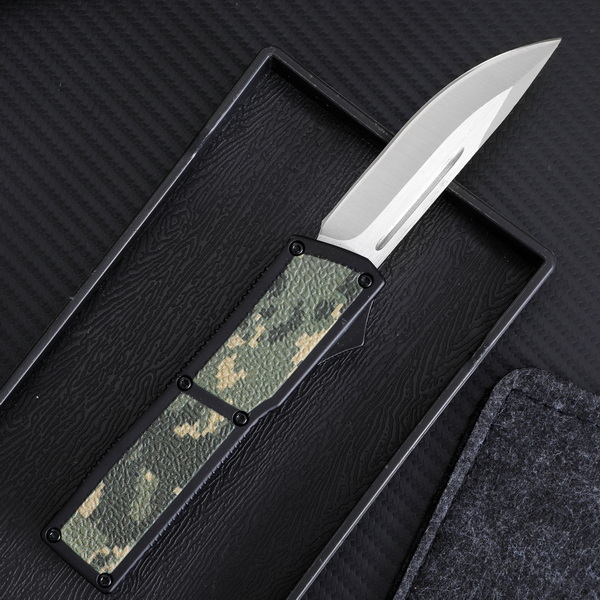
Single-action OTF knives automatically deploy the blade but require manual retraction. They typically feature a stronger lock-up and simpler mechanism. Double-action knives deploy and retract the blade automatically with the same switch, offering faster use at slightly increased mechanical complexity.
Lubrication should be done lightly every few weeks or after heavy use with a high-quality, lightweight oil. Avoid over-lubrication as it attracts dirt and slows blade action.
No, submerging an OTF knife in water can lead to corrosion and damage internal components. Use a dry cloth or alcohol wipes for cleaning and keep the mechanism dry.
Textured aluminum, G-10, and carbon fiber are ideal for durability and grip security in tough environments. Avoid smooth or polymer handles if you need dependable control in wet or challenging conditions.
Look for models with safety locks or switch blocks that prevent accidental deployment. Test the switch sensitivity and ensure the knife clips or sheath properly for secure carrying.


