
Views: 222 Author: Leah Publish Time: 2025-11-25 Origin: Site


Content Menu
● The Role of Blade Steel in OTF Pocket Knives
● Critical Properties of Blade Steel
● Main Types of Blade Steel Used in OTF Pocket Knives
● The Interplay: Blade Steel, Shape, and Use Case
● Manufacturing: Verifying Blade Steel Quality
>> Factory Inspection and Testing
>> Blade Markings and Specifications
>> Undercover Quality Red Flags
● Key OEM and Buying Considerations
● Maintenance and Aftermarket Points
● Advanced Trends in OTF Pocket Knife Blade Steel
● Upgrading Your Product Line with the Right Blade Steel
● Troubleshooting: Common Issues with OTF Pocket Knife Blades
● Frequently Asked Questions (FAQ)
>> 1. What are the best blade steels for an OTF Pocket Knife?
>> 2. Is D2 steel a good option for OTF Pocket Knives?
>> 3. How can I verify blade steel quality when sourcing OTF Pocket Knives?
>> 4. Do budget steels affect user experience in OTF Pocket Knives?
>> 5. What maintenance routine is best for OTF Pocket Knife blade steel?
Choosing an OTF Pocket Knife with blade steel that matches your usage requirements is crucial for performance, reliability, and brand reputation. As outdoor knife OEM suppliers serving international buyers, understanding fine points of blade steel selection not only improves your product quality but also fosters satisfied, loyal clients. This in-depth guide explores the defining characteristics and industry standards for high-quality blade steel in OTF Pocket Knives, offering essential advice for buyers, wholesalers, and manufacturers.
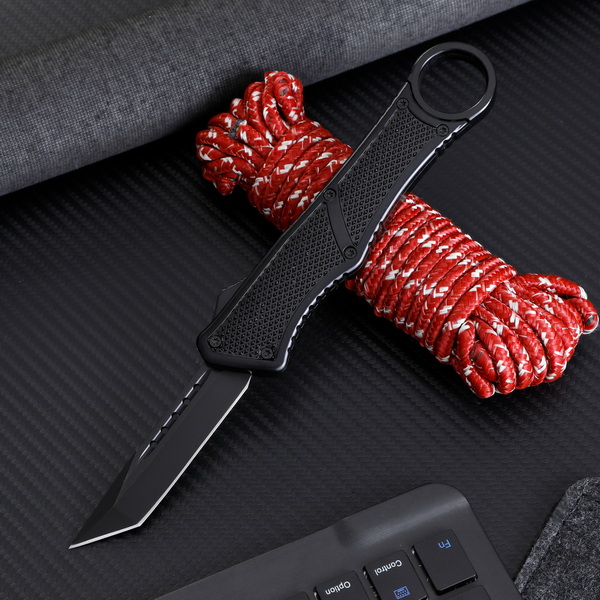
Blade steel is the foundation of an OTF Pocket Knife's quality and function. The specific alloy and its processing influence everything from edge retention and sharpness to resistance against rust and overall toughness. Manufacturers who focus on the right steel can offer knives ideally suited for tactical, utility, or collector markets. Steel quality also impacts production consistency, post-sale maintenance, and branding potential.[3][6]
Edge retention is the knife's ability to remain sharp through repeated use without frequent honing. Premium OTF Pocket Knives use advanced powder metallurgy steels (such as CPM-S30V, M390, or CPM-20CV), which maintain razor-sharp edges for extended periods, even after intensive service.[5][7][3]
For users exposed to wet, humid, or outdoor environments, corrosion resistance is non-negotiable. Steels with high chromium content (minimum 11%, as found in most stainless steels like M390, VG-10, and CPM grades) are preferred for their ability to withstand oxidation, stains, and pitting. Proper heat treatment further amplifies these properties.[6][8][3]
Toughness measures a steel's resistance to fracturing or breaking under impact, while hardness correlates with edge retention and resistance to wear. High-performance OTF Pocket Knives require a balance: enough hardness to prevent dulling, and enough toughness to avoid chipping, particularly at the blade tip during piercing tasks.[7][6]
- CPM-S30V/CPM-20CV/M390: Known for high edge retention, rust resistance, and overall toughness, these premium steels are industry benchmarks for modern OTF Pocket Knife production, suitable for high-end tactical and EDC segments.[3][6][7]
- 154CM/VG-10/CTS-XHP: These offer a fine balance of hardness and corrosion resistance, making them practical for users who prefer straightforward sharpening and moderate maintenance.[8][6]
- D2: A semi-stainless tool steel offering exceptional wear resistance and toughness, D2 is used in OTF Pocket Knives built for heavy-duty and tactical purposes; however, it requires regular cleaning to prevent rust.[6][3]
- 1095/A2/52100: These high-carbon alloys are sharper and harder, perfect for those who need superior edge retention, but more susceptible to rust if not cared for diligently.[6]
- 440C/AUS-8/8Cr13MoV: These are found mostly in budget-friendly or entry-level OTF Pocket Knives. They offer fair rust resistance and easier sharpening at a lower cost, making them ideal for promotional or high-turnover product lines.[7][8]
The optimal steel depends on more than just chemistry—it's a combination of heat treatment, grind, and blade profile. Thicker blades (as in certain tactical OTF Pocket Knives) need tougher steels, while thinner profiles demand steels with enhanced structural stability. For example:[5]
- Drop Point and Spear Point: Excel with stainless steels for general-purpose and versatility.
- Tanto Blades: Demand extra toughness at the tip, best paired with tough steels like CPM-S35VN or D2.
- Dagger Blades: Function well with M390 or equivalent for double-edged robustness.
Quality-conscious manufacturers implement strict incoming material checks and use advanced heat-treating equipment to attain optimal steel characteristics. Certifications such as ISO highlight a supplier's commitment to material authenticity and processing precision. Reputable factories may provide batch-level steel tests or spectrographic reports upon request.[3]
Genuine OTF Pocket Knives from recognized brands almost always have blade steel types prominently stamped onto the blade, packaging, or datasheets. This transparency enables wholesalers and private label brands to verify material claims easily.[8]
If the material specification is vague, the price is drastically below market standards, or if a supplier resists independent steel verification, these are warning signs the OTF Pocket Knife may use inferior alloys. Working only with established factories mitigates these risks.[11][3]
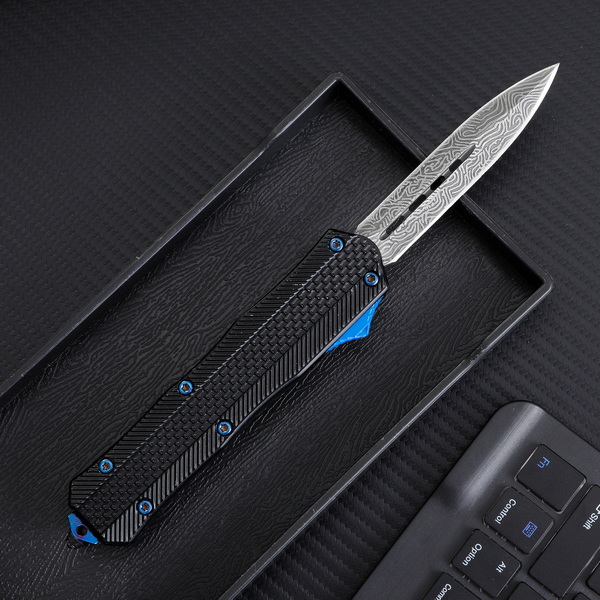
For international buyers and those outsourcing private label OTF Pocket Knife production, balancing target price ranges, market expectations, and end-user preferences is vital.[7][3]
- Premium Market: Focus on CPM-series, M390, or high-end Japanese steels for performance and marketing leverage.
- Entry-Level or Promotional Use: 440C or AUS-8 provides reliable quality at a budget-friendly price point.
- Custom Finishes: Satin, stonewash, or DLC coatings not only boost corrosion resistance but also reinforce branding aesthetics.
Cooperation with experienced OEM factories is advised—custom logo etching and individualized serial numbers further establish authenticity and boost customer loyalty.
A high-end OTF Pocket Knife deserves ongoing care. Failure to maintain even superior steels can reduce service life. Owners should:
- Regularly clean debris from the firing mechanism and lubricate moving parts with knife-grade oil.[7]
- Wipe the blade with alcohol or a soft cloth, and apply a thin protective oil film for carbon or tool steel models.
- Store knives in dry environments with appropriate sheaths or storage boxes.[3]
Routine maintenance sustains the value, longevity, and resale appeal of quality OTF Pocket Knives.
The latest industry advancements include powder metallurgy steels (e.g., MagnaCut, CPM-20CV), which combine advanced toughness and rust resistance without sacrificing ease of sharpening. More manufacturers are also experimenting with advanced surface treatments—titanium-nitride, DLC—or even laminated steel composites to further extend service life and visual appeal for OTF Pocket Knives.[5][6]
Sanding and composite handle materials (G-10, titanium, carbon fiber) are increasingly matched with high-end blade steels, creating cohesive, durable, and aesthetically distinctive knives. These combinations deliver maximum end-user satisfaction and a competitive edge for brands in the global market.[9]
For OEMs and brand owners, offering OTF Pocket Knives with verified, high-performance blade steel signals product integrity and market expertise. Consider regularly updating technical documentation to match industry trends and educating distributors about the strengths of each steel type. Transparently communicating these technical merits empowers dealers and reassures end-users.
- Blades lose edge rapidly: This can be due to poor heat treatment, sub-par steel, or inadequate edge geometry. Upgrading materials or switching suppliers can solve recurring issues.[3][7]
- Corrosion spots appear: Even stainless steels can rust if exposed to salt or moisture long enough. Advise buyers to regularly oil and dry their knives, especially in marine or humid locations.[6]
- Deployment feels sluggish or sticks: Grit or old oil may hamper mechanism; regular cleaning, as well as avoiding submersion, will restore smooth function.[7]
High-quality blade steel is the foundation of an excellent OTF Pocket Knife and is fundamental for both performance and reputation in international markets. By prioritizing the right materials, factory controls, and ongoing maintenance, manufacturers and brands can deliver consistent value and earn trust from discerning customers. Whether producing small batches or scaling up for global supply, paying close attention to steel specification, processing, and final inspection is key to long-term success.
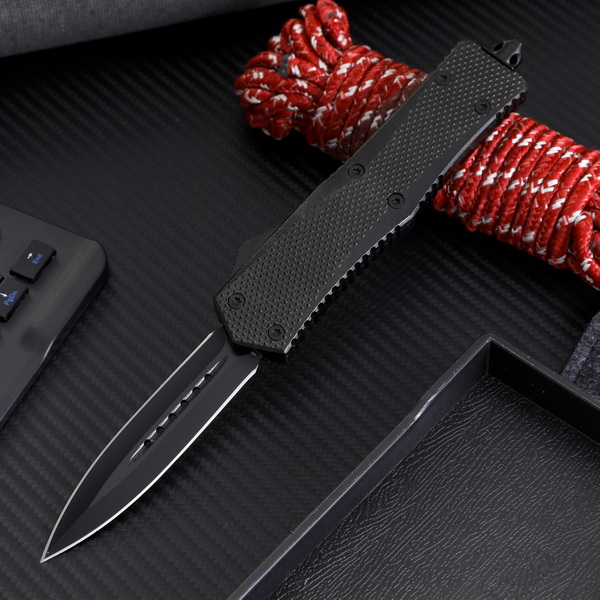
Premium choices include CPM-S30V, M390, CPM-20CV, and CPM-S35VN, which deliver outstanding edge retention, toughness, and corrosion resistance, suitable for professional and collector knives.[6][3][7]
D2 is a popular semi-stainless tool steel known for high wear resistance and toughness, making it ideal for tactical and heavy-duty applications, though it requires periodic cleaning to prevent surface rust.[3][6]
Check for steel type markings on the blade, demand batch-level steel tests from manufacturers, and favor suppliers with documented quality systems or references in overseas markets.[8][3]
Budget steels such as 440C or AUS-8 provide acceptable performance for general-use or entry-level buyers, but won't match the extended sharpness and tough reliability of premium alternatives.[8][7]
Clean regularly, lubricate the mechanism, and sharpen as soon as resistance or dulling appears. Always store knives dry and inspect for signs of corrosion or mechanism wear.[6][7][3]
[1](https://www.bladehq.com/blog/how-to-choose-an-otf-knife)
[2](https://tacknivesusa.com/an-in-depth-guide-to-the-steel-used-in-automatic-knives/)
[3](https://bladeops.com/blog/otf-knife-buyers-guide/)
[4](https://www.benchmade.com/blogs/beyond-the-bench/blade-steel-101)
[5](https://hiconsumption.com/gear/best-otf-knives/)
[6](https://www.58hrcknives.com/best-materials-for-otf-knife-blades-a-quick-guide.html)
[7](https://knife-depot.com/blogs/sharpened-values/otf-knives-explained-the-complete-guide)
[8](https://ravencresttactical.com/otf-knife-buyers-guide/)
[9](https://blade-city.com/blogs/gun-knife-blog/the-ultimate-guide-to-otf-knives-legality-mechanics-and-top-picks-for-2025)
[10](https://knifesteelnerds.com/2021/10/19/knife-steels-rated-by-a-metallurgist-toughness-edge-retention-and-corrosion-resistance/)
[11](https://tacknivesusa.com)


