
Views: 222 Author: Leah Publish Time: 2025-11-29 Origin: Site


Content Menu
● How CCC Influences Knife Factories
● CCC Mindset Applied To Automatic OTF Knife Quality
● Key Performance Dimensions Of Automatic OTF Knife
● Precision Engineering And Tolerances
● OEM Workflow For Automatic OTF Knife Projects
● Factory Audits, Documentation, And Traceability
● Legal And Platform Considerations For Automatic OTF Knife Export
● Long‑Term Reliability And Maintenance Guidance
● How Overseas Buyers Should Evaluate An Automatic OTF Knife Supplier
● Brand Differentiation Through Custom Automatic OTF Knife Design
● Risk Management And Counterfeit Prevention
● FAQ
>> 1) Does an Automatic OTF Knife itself need CCC certification?
>> 2) How does CCC-related experience improve Automatic OTF Knife quality?
>> 3) What should overseas buyers look for when choosing an Automatic OTF Knife OEM supplier in China?
>> 4) Are there legal restrictions on importing an Automatic OTF Knife?
>> 5) How can a factory prove it can reliably produce my Automatic OTF Knife OEM project?
For overseas brands, wholesalers, and manufacturers sourcing an Automatic OTF Knife from China, quality assurance and regulatory compliance are just as critical as sharpness, design, and price. CCC (China Compulsory Certification) has shaped how serious Chinese factories manage safety, consistency, and process control, and its mindset can be applied directly to OEM production of an Automatic OTF Knife. Even where knives are managed under different regulations, CCC-style systems help ensure that every Automatic OTF Knife leaving the factory is stable, traceable, and ready for demanding export markets.[11][12][13]
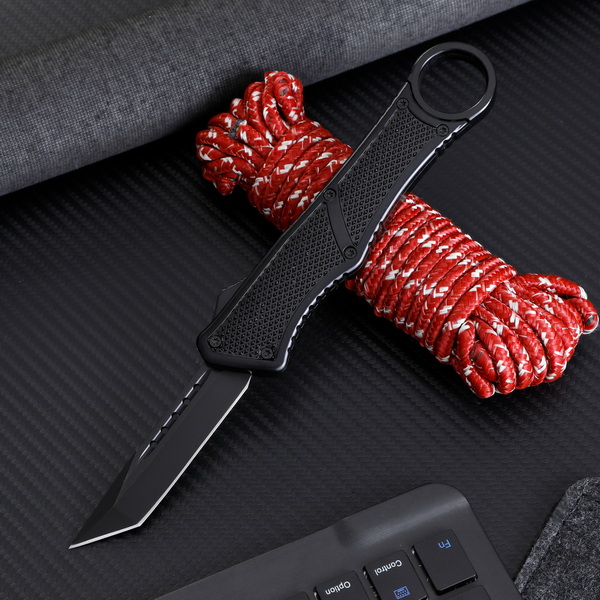
CCC is a mandatory product conformity assessment system required by Chinese law for many categories such as electrical equipment, automotive parts, and consumer electronics. Its goal is to protect personal safety, national security, and consumer interests by enforcing compliance with Chinese national standards before products enter the Chinese market.[12][14][11]
Under the CCC framework, covered products must pass type testing in accredited laboratories, factory audits, and follow-up inspections before they can use the CCC mark. This mark signals that the manufacturer can maintain systematic control of product design, production, and quality, and this discipline can be extended to related items such as an Automatic OTF Knife, even if the knife itself is regulated through other rules.[15][11][12]
Many knife manufacturers also produce CCC-covered products or components, such as electric tools, chargers, or other hardware that falls within the official CCC catalogue. To satisfy these categories, they must implement formal quality systems, document control, and process audits, which then influence their overall management style.[13][16][17]
Once this infrastructure is in place, it is natural for the same factory to apply similar procedures to its Automatic OTF Knife lines. Material traceability, equipment calibration, operator training, and nonconformity handling developed for CCC items can be reused to manage complex mechanisms and precision tolerances in an Automatic OTF Knife. This creates a higher and more consistent baseline for all OEM projects.[18][12][15]
Applying CCC-style thinking to an Automatic OTF Knife means treating the knife as a regulated, high-risk product even when not legally required. The process typically begins with identifying relevant standards, test methods, and safety expectations for the markets where the Automatic OTF Knife will be sold, including platform rules and local weapon regulations.[19][20][13]
From there, the factory sets clear incoming, in‑process, and final inspection criteria for each Automatic OTF Knife model. Instead of relying on worker experience alone, each production stage is supported by written procedures, checklists, and test records, which helps stabilize deployment performance, reduce failure rates, and make every Automatic OTF Knife batch more predictable for overseas buyers.[8][12][15]
A truly premium Automatic OTF Knife is more than a sharp blade; it is a coordinated system of materials, engineering, and precision manufacturing. Several quality dimensions matter most for OEM customers:
- Blade steel and heat treatment: Consistent hardness and toughness ensure that the Automatic OTF Knife can hold a sharp edge without becoming brittle or too soft in outdoor and tactical scenarios.[2][5]
- Mechanism reliability: The internal spring, slider, and track geometry must work together with tight tolerances so the Automatic OTF Knife deploys and retracts smoothly thousands of times without misfires.[1][3][5]
- Locking and safety: The lock and any internal safety features must prevent accidental deployment, incomplete locking, or unintentional retraction during demanding use of the Automatic OTF Knife.[4][5]
- Ergonomic handle design: Handle shape, contour, and texturing influence grip security and comfort when the Automatic OTF Knife is used with gloves or in wet conditions.[5][7]
- Surface finish and branding: Coatings, anodizing, and laser engraving add corrosion resistance and brand identity, helping your Automatic OTF Knife stand out without compromising durability.[2][5]
CCC-style process control encourages manufacturers to convert each of these features into measurable parameters and inspection steps for every Automatic OTF Knife production run.[8][12][15]
An Automatic OTF Knife is a precision product where even small deviations can cause functional failure. The internal track, blade thickness, and spring preload must be held within narrow tolerance windows to maintain consistent deployment and retraction. If parts are too thick, misaligned, or poorly finished, the blade may fail to fire or lock correctly.[3][1][5]
Premium producers treat the Automatic OTF Knife more like a mechanical instrument than a simple tool. They use CNC machining, multiple grinding steps, and repeated measurements to bring each component into tolerance, often inspecting after every critical process. This approach mirrors CCC expectations, where nonconforming parts must be identified, segregated, and corrected, preventing defective Automatic OTF Knife units from reaching customers.[1][5][2][8]
Professional OEM production of an Automatic OTF Knife typically follows a structured workflow similar to certified manufacturing processes in other industries. A typical pathway includes:
1. Requirement and compliance analysis
- Clarify the target market, end user profile, and local regulations for an Automatic OTF Knife, especially restrictions on blade length, opening mechanism, and marketing claims.[20][4][19]
- Define key performance indicators such as deployment speed, cycle life, corrosion resistance, and packaging requirements for the Automatic OTF Knife.[6][2]
2. Concept design and engineering
- Develop detailed 2D and 3D models for the blade, internal mechanism, and handle, focusing on stability and ergonomics of the Automatic OTF Knife.[5][2]
- Select appropriate steels, handle materials, and fasteners to balance cost, weight, and durability for your Automatic OTF Knife brand.[2][5][8]
3. Prototyping and validation
- Produce prototype Automatic OTF Knife samples to verify fit, feel, deployment reliability, and safety functions.[1][5]
- Perform practical tests such as repeated deployment cycles, drop tests, and basic cutting tasks to evaluate whether the Automatic OTF Knife concept meets expectations.[7][3][1]
4. Pre‑production and process tuning
- Run a pilot batch to refine machining parameters, assembly steps, and inspection points specific to the Automatic OTF Knife model.[8][1]
- Use CCC-style corrective action methods to investigate defects, adjust tools, and standardize assembly instructions, ensuring consistent quality before mass production of the Automatic OTF Knife.[12][15][8]
5. Mass production and quality control
- Implement incoming inspection for steel, springs, and handle materials, ensuring all components for the Automatic OTF Knife meet specifications.[2][8]
- Apply in‑process and final inspections with sampling plans, functional tests, and cosmetic checks, rejecting any Automatic OTF Knife that fails deployment or safety tests.[9][7][2]
This workflow reflects the same discipline required in CCC audits but focused on the unique engineering challenges of an Automatic OTF Knife.
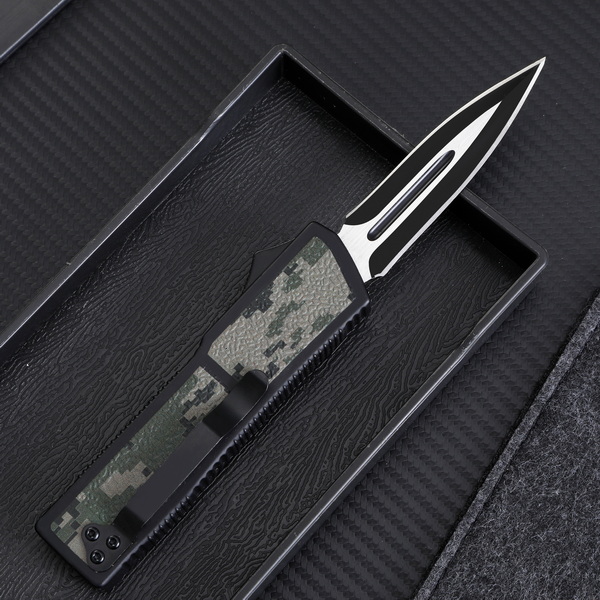
CCC systems stress factory audits, documentation, and traceability, all of which are critical for a long‑term Automatic OTF Knife OEM partnership. Documented procedures define how each step should be performed, from heat treatment to laser engraving, while traceability systems link every Automatic OTF Knife back to a specific batch of materials and processes.[11][15][12]
For overseas brands, this means that if a defect appears in the field, the factory can quickly identify the affected Automatic OTF Knife batch, analyze root causes, and implement corrections. Records of inspections, calibration, and training help demonstrate due diligence to distributors, customs officers, and online marketplaces, increasing the perceived professionalism of your Automatic OTF Knife brand.[21][15][12]
While CCC focuses on the Chinese market, exports of an Automatic OTF Knife must comply with destination regulations and platform policies. Some countries classify an Automatic OTF Knife as a restricted or prohibited weapon, limiting where and how it can be sold and carried. Others allow ownership but restrict import, shipping methods, or retail display.[3][4][19]
Major e‑commerce platforms may also have special listing rules for an Automatic OTF Knife, including mandatory age warnings, restricted keywords, or additional review of product descriptions and images. A knowledgeable OEM partner can work with you to adjust packaging, labeling, and marketing content so that your Automatic OTF Knife is less likely to be blocked, seized, or delisted.[22][6][20]
A high-quality Automatic OTF Knife is designed for long service life, but this depends on proper use and maintenance by the end user. The mechanism can be affected by dirt, sand, pocket lint, and moisture, which may slow deployment or reduce lock reliability if neglected.[10][4][3]
To support your brand, the OEM factory can help create maintenance guides for your Automatic OTF Knife, covering safe cleaning, lubrication points, and recommended intervals. Clear instructions on what lubricants to use, how to avoid over‑lubrication, and when to inspect the spring or blade help customers keep their Automatic OTF Knife performing smoothly, reducing warranty claims and strengthening brand reputation.[4][6][10]
When selecting a Chinese OEM partner for an Automatic OTF Knife project, overseas buyers should focus on several key points:
- Experience: Check whether the factory has a history of producing Automatic OTF Knife and other automatic models, not just simple folding knives or kitchen cutlery.[23][24][8]
- Quality systems: Look for evidence of CCC-related experience, ISO 9001 or similar certifications, and documented QC procedures for an Automatic OTF Knife production line.[15][21][12]
- Engineering capability: Confirm that the supplier has in‑house design and tooling engineers who understand tolerances, heat treatment, and mechanism design for an Automatic OTF Knife.[5][8][2]
- Sample and test support: Reliable partners willingly provide samples, test reports, and inspection photos or videos of your Automatic OTF Knife before shipping large orders.[7][9][2]
- Communication and confidentiality: Ensure the factory has clear English communication and is willing to sign NDAs to protect your exclusive Automatic OTF Knife designs.[24][23][8]
Selecting a supplier that meets these criteria greatly increases the chances of stable quality and smooth cooperation on any Automatic OTF Knife OEM project.
In a competitive market, differentiation is essential, and a capable Chinese OEM partner can help you build a unique Automatic OTF Knife line tailored to your brand identity. Customization options include blade shapes, grinds, coatings, handle materials, grip textures, clip designs, and packaging concepts for different user segments such as outdoor, tactical, or EDC customers.[6][5][2]
By combining CCC-style discipline with flexible OEM design, your partner can manage special editions, limited runs, and exclusive colorways of the Automatic OTF Knife without losing control of quality or delivery time. Detailed documentation and controlled change management ensure that even with frequent design updates, the performance and reliability of your Automatic OTF Knife remain consistent across batches.[12][15][8]
As Automatic OTF Knife models become popular, they may attract counterfeiters who copy designs without matching quality. Poor imitations can damage your brand if customers cannot distinguish them from genuine Automatic OTF Knife products.[9][6]
Working with a disciplined factory allows you to introduce anti‑counterfeiting measures such as unique serial numbers, special markings, certificates of authenticity, and consistent packaging elements on every Automatic OTF Knife. Authorized dealer programs and documented supply chains help end users verify authenticity, while stable pricing and controlled distribution reduce the appeal of low‑quality copies.[6][9]
CCC certification is a central part of China's conformity assessment system, and although an Automatic OTF Knife is usually governed by other regulations, CCC-style practices significantly improve the way serious factories manage OEM knife projects. By adopting structured quality management, traceability, and documentation, Chinese manufacturers can produce an Automatic OTF Knife that meets demanding expectations for safety, reliability, and consistency in global markets. For overseas brands and wholesalers, choosing a supplier that embraces CCC-level discipline is one of the most effective ways to secure long-term success and build a trustworthy, high-performance Automatic OTF Knife product line.[11][15][8][12]
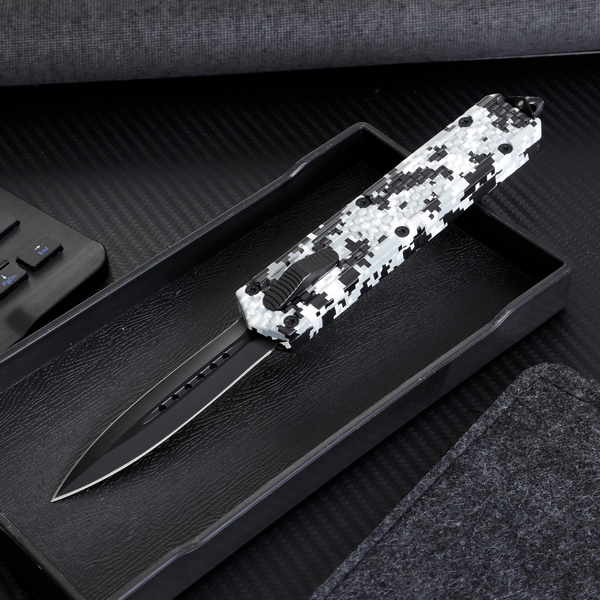
In most cases, an Automatic OTF Knife is not directly listed in the CCC mandatory product catalogue, which focuses on electrical, automotive, and similar categories. However, working with a factory experienced in CCC systems ensures that the same level of discipline is applied to design, production, and inspection of your Automatic OTF Knife, leading to more reliable and traceable products.[16][13][11][12]
CCC requires strict testing, factory audits, and ongoing inspections, forcing manufacturers to implement robust quality management and documentation. When these systems are adapted to an Automatic OTF Knife line, they enhance control over materials, tolerances, mechanism reliability, and safety checks, reducing defects and improving user satisfaction.[15][1][8][11][12]
Buyers should confirm that the supplier has real experience with automatic and OTF mechanisms, proven quality systems (CCC-related work, ISO 9001, or similar), and clear QC processes for the Automatic OTF Knife. They should also evaluate engineering capability, sample quality, communication skills, and willingness to protect designs, all of which signal a reliable long‑term partner.[21][23][24][8][12][2]
Yes, many countries and regions treat an Automatic OTF Knife as a controlled product, with rules on import, sale, carry, and online listing that may include age limits, special declarations, or outright bans. Buyers should study local laws and platform policies carefully and cooperate with the OEM factory to adjust specifications, packaging, and descriptions of the Automatic OTF Knife to avoid customs issues or listing removals.[19][20][22][3][4][6]
A serious factory can present certifications, audit records, process documents, and test reports derived from CCC-style systems and other quality standards, along with physical samples of the Automatic OTF Knife. They should be able to explain their production flow, inspection checkpoints, and corrective action methods, offering stable lead times and after‑sales support to demonstrate that they can handle repeat orders and long-term cooperation.[7][9][8][12][15][2]
[1](https://www.youtube.com/watch?v=EwG2oytZCl8)
[2](https://eknives.com/blog/microtech-knives-manufacturing-process/)
[3](https://bladeops.com/blog/how-does-an-otf-knife-work/)
[4](https://nobliecustomknives.com/what-is-an-otf-knife-and-how-does-an-otf-knife-work/)
[5](https://takcom.com/the-precision-engineering-that-goes-into-a-premium-otf-knife/)
[6](https://knife-depot.com/blogs/sharpened-values/otf-knives-explained-the-complete-guide)
[7](https://shoot-on.com/how-to-assess-knife-quality/)
[8](https://www.58hrcknives.com/top-otf-knife-manufacturers-you-should-know-about.html)
[9](https://www.tacticalsportinggoods.com/blogs/news/discover-southern-sporting-goods-your-trusted-source-for-premium-automatic-knives)
[10](https://bladeops.com/blog/otf-knife-care-101-maximize-the-life-of-your-knife/)
[11](https://www.ia.omron.com/data_pdf/models/y203-e1-01.pdf)
[12](https://www.china-certification.com/en/what-is-ccc/)
[13](https://www.china-certification.com/en/list-of-ccc-mandatory-products/)
[14](https://www.fsshining.com/news/what-is-china-ccc-certification)
[15](https://www.intertek.com/product-certification-marks/ccc/)
[16](http://www.ccc-cn.org/en/Catalogue.html)
[17](http://www.weixin-ce.com/en/certification.aspx?id=307)
[18](https://www.58hrcknives.com)
[19](https://www.zcytsc.com/export-kitchen-knives-safely/)
[20](https://www.tektoknives.com/collections/automatic-and-otf-knives)
[21](https://www.alibaba.com/price-comparison/otf-automatic-knife-supplier)
[22](https://sellercentral.amazon.com/seller-forums/discussions/t/fa62330a691bc75ed626c17f594f839e)
[23](https://upknives.com)
[24](https://www.globalsources.com/china-suppliers/otf-automatic-knife.htm)


