
Views: 222 Author: Loretta Publish Time: 2025-09-27 Origin: Site


Content Menu
● Leading Blades Manufacturers and Suppliers in South Korea
>> Other Notable South Korean Manufacturers
● Innovation and Quality Control in Korean Blades Manufacturing
● Market Dynamics and Global Distribution
● FAQ
>> 1. What industries do South Korean blades manufacturers primarily serve?
>> 2. What materials are commonly used in Korean blades?
>> 3. How do Korean blades manufacturers ensure quality?
>> 4. Do South Korean blades manufacturers offer OEM services?
>> 5. What is the export scope of Korean blades manufacturers?
South Korea has established itself as a significant powerhouse in the blades manufacturing industry, producing an extensive range of high-quality blades used in diverse sectors worldwide. Known for its blend of cutting-edge technology, rigorous quality control, and craftsmanship, South Korea is home to many top blades manufacturers and suppliers that service OEM partners, wholesalers, and global producers. This article provides an in-depth overview of the leading blades manufacturers and suppliers in South Korea, illustrating their product specialties, technological innovations, global market reach, and quality management practices.
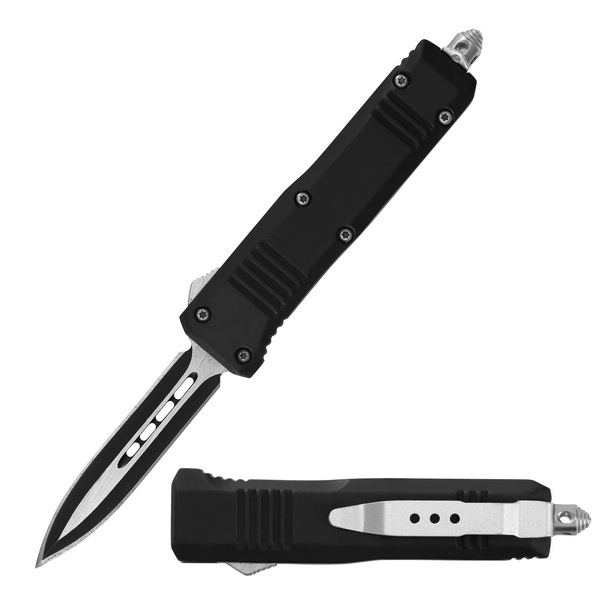
A veteran in the industry since 1965, Sinseung Tools Corporation stands out as one of South Korea's premier blades manufacturers. The company's portfolio includes high-quality cutter blades, utility knives, scissors, and gardening tools. Sinseung Tools prioritizes research and development, which has enabled it to keep pace with evolving market demands and innovate its products consistently. Their product range meets the needs of stationery, construction, automotive detailing, and gardening industries, internationally recognized for reliability and performance.
Sinseung operates a Korean-based scissors factory and a blade manufacturing facility in China, supported by a global sales center in Qingdao, China. This strategic layout not only strengthens production capacity but also enhances international distribution capability, positioning them as global suppliers within the "Blades Manufacturers and Suppliers" arena. Their international export footprint primarily covers Europe, Russia, and Southeast Asia. The company's commitment to quality, from manufacturing excellence to robust customer service, has earned it industry acclaim and client loyalty.
Founded in 1986, BESA Corporation specializes in industrial blades made from hardmetal materials such as tungsten carbide and ceramics, which exceed the performance of traditional steel blades in durability and sharpness. BESA's manufacturing processes follow an "All in one system," which means they handle their products from raw powder material through to precision sharpening in-house.
Their blades are widely used in critical industries such as rechargeable battery manufacturing, multilayer ceramic capacitors (MLCC), display technology, and film production. Exporting to over 25 countries, BESA is renowned for its long-standing sharpness and quality that industrial sectors demand, making it an integral player among South Korea's blades manufacturers and suppliers.
Established in 1991, Shun Ming Industrial Ltd. is another key player known for producing cutter blades using SK-3 high carbon steel renowned for its toughness. Their blades are compatible with most prominent retractable utility knife brands, catering to wholesale markets and end-users. Their bulk and retail packaging formats give flexibility to customers, underpinning their reliability and quality, which are critical in the utility blade market.
South Korea also hosts several other significant blades manufacturers:
- Hyundai Mobis Co., Ltd. and Hyundai Motor Company have dedicated manufacturing units creating precision blades primarily for automotive and industrial uses, reinforcing South Korea's reputation for technology-driven manufacturing.
- Shinhan Diamond Industrial Co., Ltd. specializes in diamond-tipped blades, supplying cutting-edge solutions for industrial and construction sectors.
- Other firms like Daejin Diamond focus on high-tech materials and grinding tools, broadening the range of blades available for specialized industrial applications.
These manufacturers collectively contribute to South Korea's diversified blade production ecosystem, serving both domestic and international markets with specialized products.
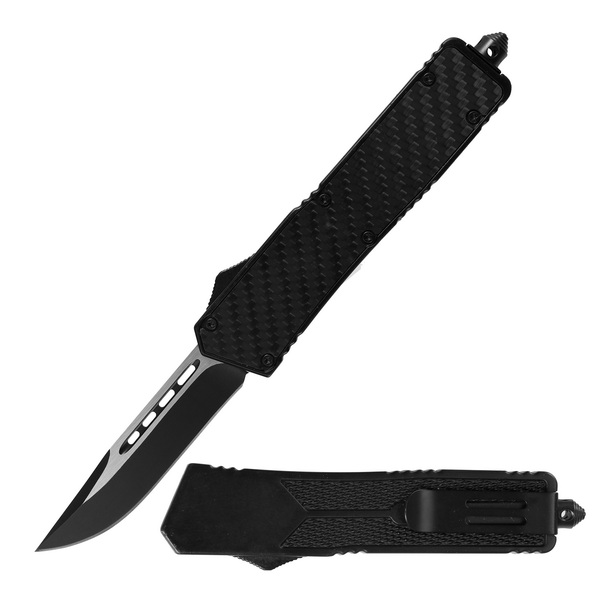
Innovation drives South Korea's blades manufacturers to continuously improve product design, materials, and manufacturing techniques. Companies like Sinseung and BESA deploy advanced materials such as high carbon steel, tungsten carbide, and ceramics, upgrading blade sharpness and durability. Additionally, South Korean manufacturers incorporate automation and IoT technologies into production, enhancing precision and efficiency.
Quality control remains paramount, enforced through rigorous inspections, process standardizations, and workforce training. Many manufacturers have attained globally recognized certifications, including ISO 9001 for quality management and ISO 14001 for environmental standards, demonstrating their compliance with international norms. This stringent quality assurance has helped South Korean blades manufacturers build enduring trust and reliable reputations worldwide.
South Korea's blades manufacturers cater not only to the robust domestic demand but also maintain extensive international export networks. Their markets span Europe, Southeast Asia, Russia, and the Americas, supported by OEM partnerships and customized product development for global brands and distributors.
OEM services are a cornerstone of South Korean manufacturers' strategy, allowing foreign brands, wholesalers, and producers to access tailored blade solutions with customized packaging and branding. The agility and responsiveness of Korean suppliers in OEM collaboration have strengthened their global appeal in the blades industry.
The blades industry in South Korea is vast and includes various sub-segments:
- Utility blades and cutters: Widely used in construction, packaging, and general industrial applications.
- Industrial blades: Serving electronics, battery production, film, and plastics industries.
- Diamond saw blades: Utilized particularly in construction, mining, and stone processing, with key Korean players like Shinhan Diamond contributing to global markets.
- Razor blades: Gaining traction due to increased grooming awareness and technological enhancements in sharpness, safety, and comfort.
- Food processing blades: Catering to the food industry with sharp, hygienic cutting tools.
Technological advancements such as the integration of automation, IoT-enabled manufacturing, and environmentally friendly materials are strong trends shaping the future of the Korean blades market. The government's emphasis on safety, quality, and sustainability also influences product innovations and market expansion.
South Korea's blades manufacturers and suppliers epitomize a dynamic convergence of tradition, technology, and quality. With leading companies like Sinseung Tools Corporation and BESA Corporation at the forefront, the industry continuously delivers high-performance blades backed by innovative materials and strict quality protocols. Their commitment to client customization and OEM services enhances their global competitiveness. South Korea's expansive export footprint, advanced manufacturing infrastructure, and focus on sustainable development establish it firmly as an international leader in the blades manufacturing industry.

South Korean blades manufacturers provide blades for a spectrum of industries including stationery, construction, automotive, electronics, gardening, battery production, and industrial cutting applications.
Common materials include high carbon steel, tungsten carbide, ceramics, and diamond coatings, selected to optimize sharpness, durability, and application-specific performance.
Through advanced manufacturing technology, comprehensive quality control systems, international certifications, and continuous workforce training, manufacturers maintain globally accepted quality standards.
Yes, many manufacturers provide flexible OEM services, producing customized blades and packaging solutions for international brands, wholesalers, and multipurpose producers.
South Korean blades are exported globally, particularly to Europe, Southeast Asia, Russia, and the Americas, supported by extensive OEM collaborations and tailored customer service.
[1](https://www.futuremarketinsights.com/reports/saw-blades-market)
[2](https://www.6wresearch.com/industry-report/south-korea-razor-blade-market-outlook)
[3](https://www.businessresearchinsights.com/market-reports/diamond-saw-blades-market-111212)
[4](https://www.linkedin.com/pulse/south-korea-industrial-blades-market-growth-outlook-pscxc)
[5](https://www.fortunebusinessinsights.com/circular-saw-blades-market-105447)
[6](https://www.linkedin.com/pulse/south-korea-utility-blades-market-overview-key-trends-kzyhf)
[7](https://kr.kompass.com/a/blades-metal/28890/)
[8](https://www.grandviewresearch.com/industry-analysis/food-processing-blades-market)
[9](https://bisresearch.com/industry-report/windshield-wiper-blades-market.html)
[10](https://www.databridgemarketresearch.com/reports/global-surgical-blade-market)


