
Views: 222 Author: Loretta Publish Time: 2025-09-30 Origin: Site


Content Menu
● The Role of Blades in Outdoor Gear
>> Blade Shapes and Their Uses
>>> Drop Point Blade
>>> Clip Point Blade
>>> Tanto Blade
>>> Sheepsfoot Blade
>> Blade Edge Types and Their Applications
>> Materials Matter in Outdoor Gear Blades
>> Blade Thickness and Length Considerations
>> Ergonomics and Blade Design in Outdoor Gear
>> Popular Blade Designs in Outdoor Gear Markets
>> The Impact of Blade Design on Outdoor Gear Performance
>> Maintenance Tips for Blade Longevity in Outdoor Gear
>> Choosing the Right Blade for Your Outdoor Gear Needs
● Frequently Asked Questions (FAQ)
>> 1. What is the best blade shape for general outdoor use?
>> 2. How does blade material affect outdoor gear performance?
>> 3. Should I choose a serrated or plain edge for my outdoor knife?
>> 4. What blade length is ideal for hiking and camping?
>> 5. How do I properly maintain my outdoor knife blade?
Outdoor gear plays a vital role in the experiences and safety of adventurers, hikers, hunters, and survivalists worldwide. Among the many tools that outdoor enthusiasts rely on, knives stand out as essential instruments in outdoor gear kits. However, the effectiveness and functionality of a knife largely depend on its blade design. This article explores the significance of blade design in outdoor gear, breaking down various blade types, materials, and considerations that define the quality and usability of knives in outdoor activities.
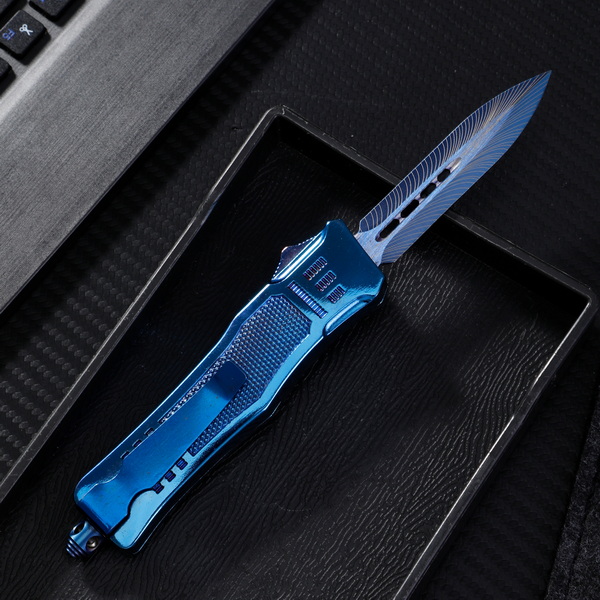
A knife is more than just a cutting tool; it serves multiple purposes in outdoor settings, including preparing food, cutting ropes and cords, carving wood or creating kindling, delivering first aid, and even self-defense or wildlife protection. The blade is the heart of the knife, and its design directly influences the tool's performance and versatility in these tasks.
Blade design encompasses several elements: shape, edge style, thickness, length, and material. Each aspect is carefully crafted to meet specific functions within the realm of outdoor gear.
The drop point blade features a convex curve on the spine of the blade that slopes down to the tip. This design offers a robust tip and a large belly for slicing tasks, making it one of the most popular blade shapes in outdoor gear. Its versatility makes it ideal for skinning game and general-purpose use.
With a "clipped" or concave curve on the spine, the clip point blade has a sharp and controllable tip used for precision tasks. It's particularly useful for tasks that demand accuracy, such as detailed cutting and piercing.
The tanto blade possesses a strong, angular tip designed to withstand piercing and stabbing pressure. Its reinforced point is favored in tactical and survival outdoor gear, capable of handling tough materials.
The symmetrical spear point blade has a central spine, making it ideal for penetrating and thrusting. Its design balances strength and sharpness, making it a favorite for hunting and survival tools.
Designed with a straight edge and a curving spine that meets the edge at the tip, the sheepsfoot blade minimizes accidental piercing. It is often used in cutting and slicing tasks that require precision without the risk of puncture, such as rescue operations.
The type of blade edge also heavily influences its effectiveness in outdoor gear:
- Plain Edge: Offers clean, precise cuts and is easier to sharpen, making it ideal for most general outdoor tasks.
- Serrated Edge: Excels at cutting through fibrous materials such as rope, wood, and tough fabrics, commonly encountered in outdoor environments.
- Combination Edge: Features both plain and serrated edges, providing versatility for users who need a blade for a wide range of tasks.
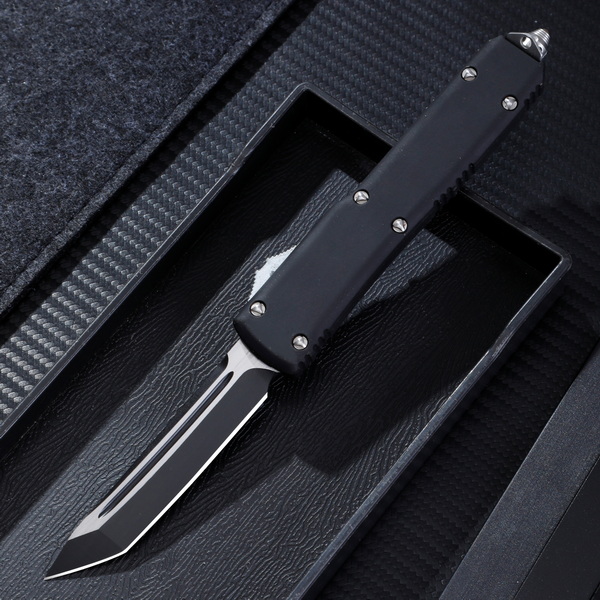
A quality blade material is crucial for durability, sharpness retention, corrosion resistance, and ease of sharpening. Outdoor environments can be harsh, often wet or abrasive, so the right material is fundamental.
- Stainless Steel: Known for its corrosion resistance and ease of maintenance; it's ideal for wet or humid environments.
- Carbon Steel: Holds an edge longer than most stainless steels but requires more maintenance to prevent rust. It is preferred by users who prioritize sharpness over low maintenance.
- Tool Steel: Offers excellent toughness and edge retention, suitable for heavy-duty outdoor activities.
- High-End Steel Alloys: Such as VG-10, S30V, and D2, these combine multiple properties like corrosion resistance, toughness, and superior edge retention to maximize performance in demanding outdoor gear.
Blade thickness and length play significant roles in how a knife performs in specific outdoor tasks.
- Thickness: Thicker blades provide greater strength and durability, ideal for heavy-duty chores such as batoning wood or prying objects. Thinner blades excel in tasks that require precision, such as detailed carving and food preparation.
- Length: Blade length should match the intended outdoor use.
- Short blades (2-3 inches) offer ease of control and portability, often used in compact outdoor knives.
- Medium blades (3-5 inches) provide versatility and are suitable for most common outdoor tasks.
- Long blades (5+ inches) are better suited for chopping, splitting wood, and other demanding survival tasks.
Blade design is closely intertwined with ergonomics—the handle shape, balance, and grip directly affect the user's safety, control, and comfort. A well-designed blade paired with an ergonomically shaped handle minimizes hand fatigue and reduces the risk of accidents during extended use. Outdoor activities often require the use of knives in unpredictable and challenging environments, making balance and grip quality as important as the blade itself.
Different outdoor gear markets emphasize blade designs depending on their specific user needs:
- Hunting knives primarily prioritize drop point and clip point blades for efficient skinning and precision.
- Survival knives often integrate tanto or spear point blades that provide durability and piercing strength.
- Tactical outdoor gear frequently incorporates tanto blades and combination edges to meet the demands of cutting, stabbing, and rugged use.
These preferences reflect the balance between functionality, safety, and task-specific efficiency required in the outdoor gear sector.
Blade design affects cutting efficiency, maintenance requirements, and the tool's longevity. A poorly designed blade can hinder performance, making even simple tasks cumbersome, while a well-designed blade enhances safety, ease of use, and task versatility. For outdoor enthusiasts, having dependable, sharp, and durable blades integrated into their gear can be the difference between success and hardship.
Proper maintenance extends the life and performance of outdoor gear knives:
- Clean the blade thoroughly after use to remove dirt, plant residue, and moisture.
- Regularly sharpen blades with appropriate sharpening tools to maintain a keen edge.
- Oil carbon steel blades to prevent rust and corrosion, particularly after exposure to moisture.
- Store knives in dry, secure locations to avoid damage and wear.
Selecting the perfect blade depends on your typical outdoor environment, activity, and personal preferences:
- Consider the environment—wet, dry, cold, or rugged—and choose a blade material resistant to those conditions.
- Define your primary uses—food preparation, carving, survival, or hunting—to identify the optimal blade shape and edge.
- Balance weight and carry convenience with functionality to ensure the knife complements your outdoor gear without unnecessary burden.
Blade design is a cornerstone of effective outdoor gear. From the shape and material of the blade to its edge style and ergonomics, every detail combines to create a tool that enhances the outdoor experience. The right blade design improves safety, efficiency, and enjoyment during various activities such as camping, hiking, hunting, or survival tasks. As a leading Chinese outdoor blade factory, Yangjiang Ruizhen Industry and Trade Co., Ltd. is dedicated to providing OEM services that meet these precise design standards, delivering high-quality blades tailored to the needs of overseas brands, wholesalers, and producers. Understanding and choosing the right blade design elevates outdoor gear from a simple tool to a reliable companion in all outdoor adventures.

Answer: The drop point blade is widely regarded as the best general-purpose outdoor blade due to its balance of strength and versatility for a variety of tasks.
Answer: Blade material impacts sharpness retention, corrosion resistance, and durability. Stainless steel is preferred in wet conditions for its rust resistance, while carbon steel offers better edge retention but requires more maintenance.
Answer: Plain edges provide clean and precise cutting ideal for general use, while serrated edges excel at cutting through tough or fibrous materials such as rope. Combination edges offer a balance of both.
Answer: Medium blade lengths between 3 to 5 inches provide a good balance of portability and functionality, suitable for most hiking and camping tasks.
Answer: Regular cleaning, sharpening, oiling (especially for carbon steel), and safe storage are key practices to maintain sharpness and prevent rust, ensuring the knife's longevity.


