
Views: 222 Author: Loretta Publish Time: 2025-09-22 Origin: Site


Content Menu
● The Importance of Lightweight Outdoor Gear
● Key Benefits of Lightweight Outdoor Gear
>> Increased Mobility and Comfort
>> Improved Safety and Performance
● Materials and Technology Behind Lightweight Gear
● Choosing the Right Lightweight Outdoor Gear
>> Prioritize Multi-Functionality
>> Durability vs. Weight Tradeoff
● Examples of Lightweight Outdoor Gear
● The Environmental Impact of Lightweight Gear
● Care and Maintenance Tips for Lightweight Outdoor Gear
● FAQ
>> 1. What makes outdoor gear lightweight?
>> 2. Can lightweight gear compromise durability?
>> 3. Is lightweight gear more expensive?
>> 4. How do I choose the best lightweight outdoor knife?
>> 5. Are there specific care instructions for lightweight gear?
Lightweight outdoor gear plays a crucial role in enhancing the experience and safety of outdoor enthusiasts, adventurers, and professionals alike. For those who rely on their equipment for long hikes, camping, or expeditions, choosing the right lightweight gear not only makes carrying easier but also improves overall mobility and endurance. This article explores why lightweight outdoor gear matters, its advantages, important considerations when selecting such equipment, and how it impacts performance across different outdoor activities.

Outdoor activities like hiking, trekking, backpacking, and camping demand carrying essential equipment over varied and often challenging terrain. Heavy or bulky gear adds physical strain, resulting in quicker fatigue, reduced stamina, and a higher risk of injury. Lightweight outdoor gear minimizes these negative impacts by reducing the load, allowing adventurers to move more freely and comfortably.
Efficient lightweight gear contributes to:
- Increased endurance and speed
- Enhanced comfort over long distances
- Reduced fatigue and decreased injury risk
- Better energy management and hydration balance
- Simplified packing and transport
When your gear is light, you move faster and with less effort. Lightweight backpacks, tents, and cooking equipment significantly decrease the burden on your body, speeding up travel and giving you more energy to enjoy your outdoor activities. Moving freely also reduces muscle strain and soreness, which is critical for multi-day trips or challenging routes where physical demands are high.
Gear weight impacts how quickly you can respond to changing trail conditions or emergencies. Lightweight equipment helps you stay nimble, react swiftly in case of inclement weather or unexpected terrain, and maintain balance and coordination. This agility often translates into safer travel, as heavy backpacks can throw off your center of gravity and increase the chance of falls.
Lightweight items often combine multiple functions into one piece, such as multi-tools or compact sleeping systems, reducing bulk and the number of accessories carried. This efficient packing saves space, making it easy to organize your outdoor gear effectively. Less clutter and weight mean quicker access to essentials and more room for backup necessities.
Advances in materials science and manufacturing technology have revolutionized outdoor gear production. Manufacturers use high-strength, low-weight materials that provide durability while drastically reducing load:
- Titanium: For durable yet lightweight knives, cookware, and tent stakes. Titanium resists corrosion and tolerates extreme temperatures, ideal for harsh outdoor conditions.
- Carbon fiber: Used in trekking poles and backpack frames, carbon fiber provides outstanding strength-to-weight ratios and flexibility.
- Ultralight Ripstop nylon and polyester: Fabrics engineered to resist tearing while remaining exceptionally light and weather-resistant, commonly used for tents, backpacks, and rain gear.
- Foam and synthetic insulation: Used for sleeping bags and jackets, these materials offer high warmth without bulk or excessive weight, even in damp conditions.
Such innovations allow outdoor gear manufacturers like Yangjiang Ruizhen Industry and Trade Co., Ltd to create cutting-edge lightweight knives and tools. Their OEM services empower international brands and wholesalers to offer reliable and high-performance outdoor gear tailored to different market needs.
Not all outdoor gear needs to be ultra-lightweight; the ideal balance depends on your activity type and duration. Long-distance hikers and backpackers benefit from every ounce saved, while day campers or casual users might prioritize comfort or durability over minimal weight. For example, ultralight backpacking gear may compromise some comfort elements to achieve minimal weight, which can be unnecessary for shorter, less demanding trips.
Choosing gear that fulfills multiple purposes helps reduce the overall weight and space taken up in your pack. Multi-tools that include knives, pliers, and screwdrivers, or cookware sets that double as food containers, are excellent examples. This not only decreases your pack's weight but also simplifies packing and reduces the risk of forgetting essential items.
While lightweight is key, it shouldn't come at the expense of durability. Ultralight equipment must withstand harsh conditions such as rough terrain, extreme temperatures, and weather changes without failure. For example, a lightweight knife crafted with premium steel alloys and an ergonomic handle offers lasting reliability along with low weight. Manufacturers carefully select materials and reinforce weak points to balance these factors.
Lightweight gear without ergonomic design can cause discomfort or pain during extended use, which defeats the purpose of saving weight. Backpack straps, handles, and body-contact areas must distribute load effectively and avoid pressure points. Adjustable, padded features help tailor the fit, ensuring comfort during long activities.
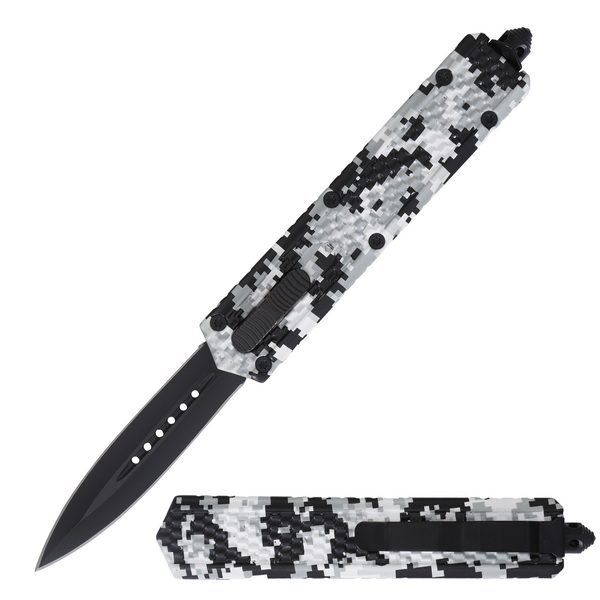
- Lightweight titanium camping knives with ergonomic grips, customized for balance and cutting efficiency.
- Ultralight hiking backpacks featuring adjustable frames that conform to the user's back, improving load distribution.
- Compact, foldable cookware sets made from anodized aluminum which reduce bulk while being durable.
- Multi-use survival tools combining knives, pliers, screwdrivers, and other functions in one compact unit.
- Ultralight sleeping bags using synthetic insulation to provide warmth and compressibility without excess weight.
Many outdoor gear brands now integrate modern design principles and materials to enable adventurers to tackle demanding environments with efficient, lightweight sets.
Choosing lightweight outdoor gear can also contribute positively to environmental sustainability. Reduced gear weight decreases fuel consumption during transport and lowers resource usage in manufacturing processes. Additionally, lightweight gear encourages longer, less impactful hikes by minimizing trail erosion caused by heavy loads.
Trail conservationists often promote minimalist packing strategies to reduce human impact on fragile environments, making lightweight gear a key component in responsible outdoor ethics.
Properly caring for your lightweight outdoor equipment extends its life and maintains performance:
- Clean gear promptly after each use to remove dirt, sweat, and chemicals that can degrade materials.
- Store your equipment in dry, ventilated spaces away from direct sunlight or extreme temperatures.
- Regularly inspect knives, fabrics, zippers, and seams for signs of wear or damage. Addressing issues early prevents costly repairs or failure during trips.
- Use protective cases or sheaths for knives and delicate instruments to avoid accidental damage.
Routine maintenance ensures that your lightweight outdoor gear remains dependable on every adventure.
Lightweight outdoor gear is more than just a convenience—it is essential for anyone serious about performance, comfort, and safety during outdoor activities. By minimizing physical strain and maximizing mobility, such gear empowers adventurers to push their limits while reducing risk. Advances in material technology continue to expand the possibilities for ultra-light yet durable equipment, making lightweight outdoor gear indispensable for modern explorers. Whether you are a professional outfitter or a weekend adventurer, investing in quality lightweight gear pays dividends in endurance, safety, and enjoyment.

Outdoor gear is made lightweight through the use of advanced materials like titanium, carbon fiber, and ultralight synthetic fabrics. These materials provide strength without excess weight.
Not necessarily. Modern manufacturing techniques balance weight reduction with durable designs optimized for outdoor conditions.
Often, yes. The materials and technology used to create lightweight gear tend to increase costs, but the investment pays off with better performance and longevity.
Consider blade material, handle ergonomics, weight, and multi-functionality. OEM providers like Yangjiang Ruizhen Industry offer customizable options for brands.
Yes, proper cleaning, storage, and regular maintenance are crucial to maintain performance and durability of lightweight gear.


